Oro Valley residents face scorpion control challenges due to urbanized desert scorpions. Natural methods focus on:
Inspection: Regularly check for shed skin, dark marks, and nocturnal activity.
Tracking: Use talcum powder to monitor scorpion paths.
Prevention: Seal gaps, maintain a clutter-free yard, use citrus peels or lavender as repellents.
Habitat Modification: Implement landscaping changes, introduce natural predators carefully.
Proactive Steps: Regularly vacuum high-risk areas, use non-toxic peppermint or tea tree oils.
Professional Help: Consult experts for tailored solutions and knowledge of local scorpion species.
Oro Valley residents often encounter scorpions in their homes, raising concerns about safety and property damage. Effective scorpion control naturally is essential for maintaining a healthy living environment without resorting to harmful chemicals. This article provides an authoritative guide to identifying the most common scorpions found in local residences, empowering homeowners with knowledge to address this pervasive issue. By understanding these species’ behaviors, habitats, and unique characteristics, residents can implement targeted strategies for scorpion prevention and control, ensuring a safer, more comfortable living space.
- Understanding Common Scorpion Species in Oro Valley
- Identifying Scorpions: Visual Clues and Behavior
- When Scorpions Invade: Signs of Infestation
- Natural Scorpion Repellents for Homeowners
- Safe Scorpion Control Methods for Indoor Spaces
- Preventing Future Scorpion Intrusions: Proactive Measures
Understanding Common Scorpion Species in Oro Valley

In Oro Valley, several scorpion species have adapted to urban environments, making them common household pests. Understanding these scorpions is crucial for effective scorpion control naturally. Among the most prevalent are the desert scorpion (Crotalus atrox) and the bark scorpion (Crotalus viridis). These species have distinct characteristics: the desert scorpion has a large size, reaching up to 10 inches, with a dark brown or black body and lighter markings, while the bark scorpion is smaller, around 5-6 inches, featuring a light brown color with darker spots. Both are active during the night and prefer warm, dry conditions, making them well-adapted to Oro Valley’s climate.
Regularly inspecting your home for scorpion activity is an essential first step in managing these pests naturally. Look for shed skin, which indicates their presence, and pay close attention to dark marks on walls or corners, where they may be hiding. Tracking their paths using talcum powder can also provide valuable insights into their movement patterns within the home. Once identified, implementing preventive measures becomes more effective. Sealing gaps in walls, windows, and doors, along with regular yard maintenance to reduce clutter and water sources, significantly discourages scorpions from entering homes.
Scorpion control naturally involves creating an environment less hospitable to these creatures. Using natural repellents like citrus peels or lavender can deter scorpions without resorting to harmful chemicals. Additionally, maintaining a clean and clutter-free home reduces hiding spots, making it easier to detect and eliminate scorpions early on. Understanding the behaviors and habitats of common Oro Valley scorpions is a powerful tool for both prevention and control, allowing residents to take proactive steps toward a scorpion-free living environment.
Identifying Scorpions: Visual Clues and Behavior
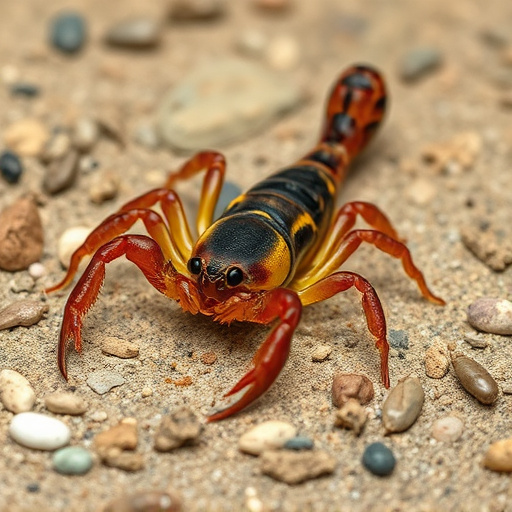
Scorpions are a common sight in Oro Valley homes, particularly during the warmer months. Identifying these arachnids is crucial for effective scorpion control naturally. Visual clues play a significant role in their detection; scorpions often have distinctive features that set them apart from other insects. For instance, most scorpions in this region possess a flat body with a broad head, and their legs are arrayed in a unique pattern, allowing them to move efficiently across various surfaces. The most recognizable feature is their tail, which ends in a venomous stinger. Colors range from dark brown to almost black, with some species featuring lighter stripes or markings.
Behavioral patterns can also provide insights into the presence of scorpions. These creatures are nocturnal by nature, preferring the coolness of night to hunt and move around. They tend to shelter in dark, secluded areas during the day, such as under rocks, logs, or in cracks and crevices of buildings. If you notice disturbed debris or small piles of feces in these hiding spots, it could indicate scorpion activity. Additionally, scorpions are attracted to moisture, so areas with high humidity or water leaks may be more prone to their presence.
To effectively manage scorpions, understanding these visual cues and behavioral patterns is key. Regular inspections, especially during the warmer seasons, can help identify potential nesting grounds. Natural scorpion control methods include sealing entry points, maintaining proper hydration levels, and using specific scents or plants that repel scorpions. For instance, citrus fruits, mint, and certain herbs have been shown to deter these pests. If the infestation persists, professional services specializing in natural pest management can offer tailored solutions, ensuring a safe and effective approach to scorpion control naturally.
When Scorpions Invade: Signs of Infestation

Scorpions are unwelcome guests in any home, but they’re particularly prevalent in Oro Valley’s arid climate. Understanding when scorpions invade and recognizing signs of infestation is crucial for effective scorpion control naturally. In the warmer months, especially during late spring and early fall, scorpions become more active as they seek water sources and mates. This is when you’re most likely to spot them inside your home or crawling across your yard.
Signs of a scorpion infestation include regular sightings of live scorpions or their shed skins, visible holes or tracks in floors or walls that indicate burrowing, and an unusual pungent odor. You may also notice small piles of fecal matter resembling small black pellets, which are common after scorpion feasts on insects or other prey. While some people might find the presence of these creatures unsettling, a proactive approach to scorpion control naturally can help maintain a comfortable home environment without relying heavily on chemical pesticides.
Regular pest inspections and sealing entry points such as cracks in foundations, gaps around pipes, and vents are essential first steps. Maintaining a clean, clutter-free home reduces hiding places for scorpions. Moreover, using natural repellents like diatomaceous earth or essential oils can help deter them without harming your family or pets. If the infestation persists, consult with local pest control experts who specialize in scorpion control naturally to develop a tailored strategy that addresses your specific situation effectively.
Natural Scorpion Repellents for Homeowners

Scorpions are a common pest in many homes, particularly in arid climates like Oro Valley. While chemical treatments for scorpion control are prevalent, many homeowners seek natural alternatives to minimize exposure to harmful pesticides. Understanding the behavior and habitat of these arachnids is key to implementing effective, natural scorpion repellents. One of the most important strategies involves maintaining a clean and sealed home environment. Scorpions thrive in dark, hidden spaces, so regular inspections and sealing entry points like cracks, gaps around pipes, and windowsills can significantly reduce their presence.
Natural repellents offer a safer, eco-friendly approach to scorpion control. Several plants known for their insecticidal properties can be strategically placed around the home’s perimeter. For example, lavender, lemongrass, peppermint, and citronella are proven deterrents due to their strong scents. Maintaining a well-trimmed lawn and removing brush piles or clutter provides fewer hiding spots, disrupting scorpion habitats. Additionally, introducing natural predators like spiders and certain species of insects can help regulate scorpion populations; however, careful consideration is required to ensure the introduction of beneficial organisms does not disrupt existing ecological balances.
Implementing these natural strategies may require patience as they work differently than quick-fix chemical solutions. Data suggests that a combined approach using multiple repellents and habitat modification techniques yields the best results in scorpion control naturally. Homeowners should monitor their efforts, adjusting strategies as needed based on observation of scorpion activity. By adopting these methods, Oro Valley residents can effectively manage scorpions while minimizing exposure to synthetic chemicals.
Safe Scorpion Control Methods for Indoor Spaces
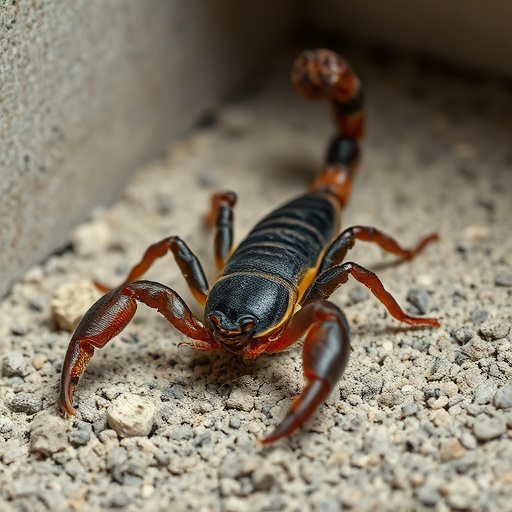
Identifying scorpions in your Oro Valley home is a significant step towards implementing effective scorpion control methods. Among the species commonly found in this region, the desert scorpion (Crotalus atrox) stands out due to its prevalence and venomous capabilities. To address these intruders safely and naturally, understanding their behavior and habitat is crucial.
When dealing with scorpions indoors, a comprehensive approach involving both prevention and removal is essential. Start by inspecting your home for common entry points such as gaps around pipes, electrical wires, doors, and windows. Seal these openings using caulk or weatherstripping to inhibit their access. Regularly vacuum high-risk areas like corners and behind furniture to remove hiding places and food sources, including dust mites and small insects. Despite their name, scorpion control naturally should focus on non-toxic methods; avoid products that may harm indoor environments or pets.
If a scorpion infestation persists, consider employing specialized natural repellents. Essential oils like peppermint, citronella, and tea tree oil have shown promise in deterring scorpions. Diffusing these scents in problem areas can create an inhospitable environment without resorting to chemicals. For instance, research by the University of Arizona has indicated that a mix of peppermint and cloves oil effectively repels desert scorpions. Additionally, professional pest control services specializing in natural methods can offer tailored solutions, ensuring a safe and effective scorpion control strategy for your Oro Valley home.
Preventing Future Scorpion Intrusions: Proactive Measures

Preventing future scorpion intrusions requires a multi-faceted approach that combines proactive measures with an understanding of these arachnid invaders. Regular outdoor maintenance is key; sealing cracks and crevices around doors, windows, and foundations can significantly reduce entry points. Ensuring proper drainage away from your home’s exterior discourages scorpions, as they are drawn to moist environments. Consider implementing natural scorpion control methods by planting herbs like lavender, rosemary, and lemongrass, which have been shown to deter these pests through their strong scents.
Inspecting your property regularly is another effective strategy. Use flashlights to scrutinize dark corners and hidden spaces, as scorpions often seek shelter during the day. If you discover scorpion droppings or signs of activity, address the issue promptly. Professional pest control services can provide valuable assistance, offering tailored solutions that go beyond conventional methods. They may employ natural repellents like diatomaceous earth or essential oils, which are safe for both people and pets while being highly effective against scorpions.
In Oro Valley, understanding the local scorpion species is crucial. The most common varieties include the desert hairless scorpion and the giant desert scorpion. Knowing their habits and preferences allows for targeted prevention. For instance, these scorpions are attracted to undisturbed areas with access to water, so keeping your yard tidy and addressing moisture issues promptly can make a significant difference. By combining natural deterrents, proactive maintenance, and regular inspections, you can effectively manage and prevent scorpion invasions in your home.
By understanding the common scorpion species in Oro Valley and their behavioral patterns, residents can effectively identify and address infestations early on. Key insights include recognizing visual clues like distinctive spines and shapes, as well as observing their nocturnal behavior and preference for dark, tight spaces. When signs of an infestation emerge, natural repellents such as citrus oils and peppermint extracts can be employed to deter scorpions without resorting to harmful chemicals. For indoor control, safe methods involve eliminating water sources, sealing entry points, and utilizing sticky traps strategically. Proactive measures like regular pest inspections and proper landscape maintenance significantly reduce the risk of future scorpion invasions. Armed with these practical strategies, Oro Valley homeowners can now take control of scorpion control naturally and create a safer, more comfortable living environment.