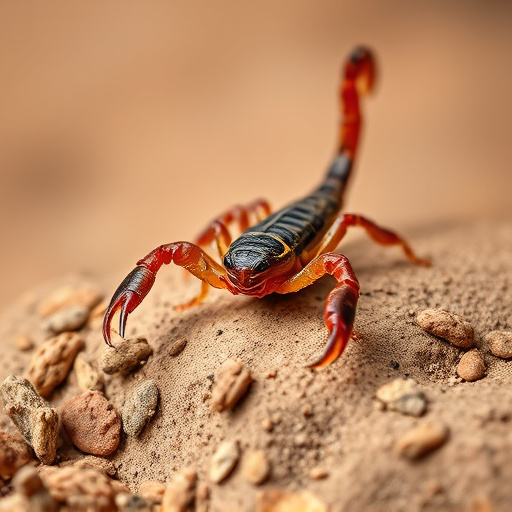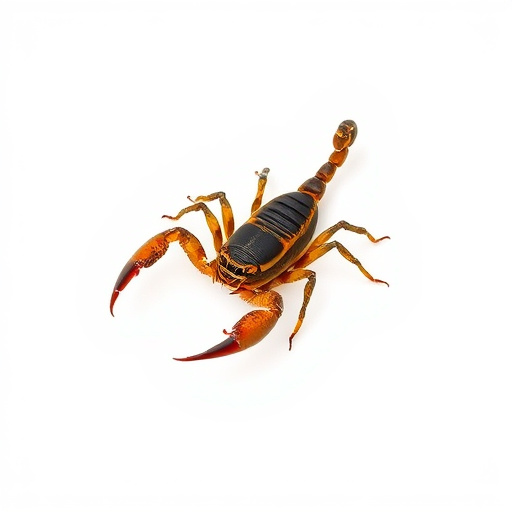
Scorpion control naturally involves understanding their habitat preferences, which include dark, secluded areas with organic matter, undisturbed structures like garages, and cracks in walls and foundations. Regular inspections, maintaining a clean space, sealing entry points, and using natural repellents are effective deterrents. Early detection through visual signs and nocturnal activity patterns is key. Natural methods like diatomaceous earth, citrus peels, and essential oils, combined with strategic planting, offer safe alternatives to chemical pesticides. Proactive prevention measures can reduce scorpion populations significantly.
Scorpion infestations pose significant risks to both human health and property value. These arachnids can cause severe stings and, in some cases, even death. Identifying early signs of an infestation is crucial for effective scorpion control naturally and minimizing damage. While traditional pest control methods exist, many homeowners seek eco-friendly alternatives. This article provides a comprehensive guide to spotting infestation indicators, empowering you to take swift action. By understanding behavior patterns and physical cues, we can proactively address these invasive creatures, ensuring safety and peace of mind in our living spaces.
- Recognize Common Scorpion Habitat
- Identify Visual Signs: Webs & Tracks
- Understand Behavioral Patterns at Night
- Natural Repellents for Scorpion Control
- Effective Strategies for Extermination
Recognize Common Scorpion Habitat
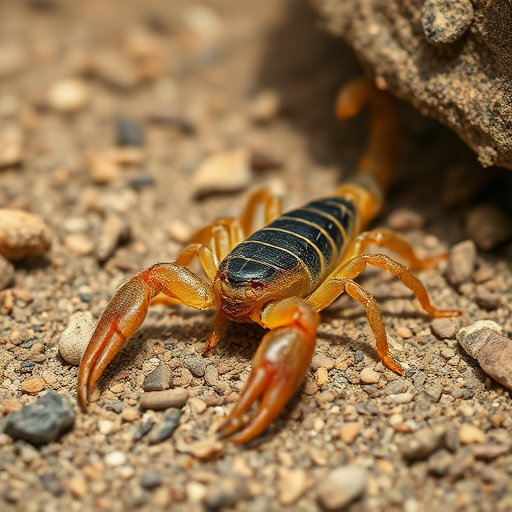
Scorpions are elusive creatures, often hiding in dark, secluded areas, making their presence difficult to detect until an infestation becomes established. Recognizing common scorpion habitats is crucial for early detection and effective scorpion control naturally. These arachnids thrive in environments that offer shelter, food sources, and minimal disturbance. By understanding where they tend to establish themselves, homeowners can implement targeted prevention strategies and take proactive measures to keep these pests at bay.
One of the primary places to look for signs of scorpions is in areas with abundant organic matter, such as fallen leaves, wood piles, or bushes. These materials provide excellent camouflage and shelter from predators, making them ideal hiding spots for scorpions. In residential settings, sheds, garages, and outdoor storage areas often become breeding grounds due to their undisturbed nature and the presence of potential food sources like insects and rodents. Cracks in walls, floors, or foundations can also serve as entry points, allowing scorpions easy access to buildings. Moreover, regions with arid climates or limited water sources are particularly susceptible, as scorpions require specific environmental conditions for survival and reproduction.
Regular inspections and maintenance play a significant role in scorpion control naturally. Implementing practical measures like keeping outdoor areas clean, removing clutter, and sealing potential entry points can deter scorpions from establishing territories. Additionally, using natural repellents like diatomaceous earth or citrus peels around the perimeter of your property may help discourage these pests from venturing closer. Early detection and understanding of their preferred habitats are key to managing scorpion infestations effectively without resorting to harsh chemicals.
Identify Visual Signs: Webs & Tracks
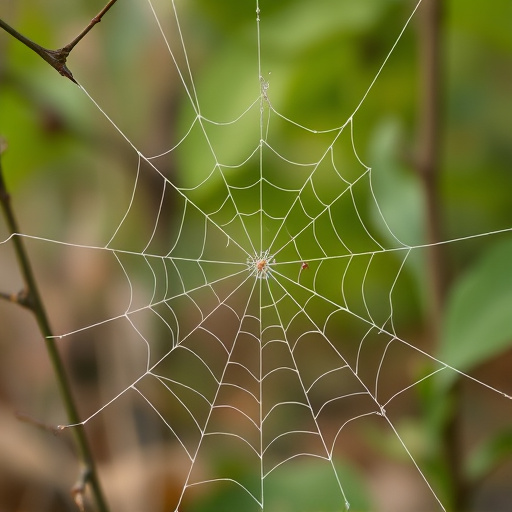
One of the most effective ways to identify a scorpion infestation is by recognizing visual signs such as webs and tracks. Scorpions are arachnids known for their distinctive web-spinning behavior, which can serve as an early warning system for their presence. While not all scorpions spin webs, those that do leave behind silken structures as part of their foraging and nesting activities. These webs are typically found in dark, hidden corners, such as under furniture, in corners of rooms, or within crevices of walls. They may appear as sticky, irregular patterns or loose threads, often accompanied by small piles of debris and insect remains.
Moreover, scorpion tracks can offer valuable clues about their activity levels and distribution within a given area. Unlike spider webs, which are usually static, scorpion tracks consist of distinct, winding trails left behind by the creatures as they move around. These tracks can be found on floors, walls, or even ceilings, depending on the species and their preferred habitat. For instance, desert scorpions tend to leave clear, visible tracks in sand or dust, while some species living in more humid environments may leave damp, smeared marks on surfaces. By examining these visual cues, homeowners and pest control professionals alike can better understand the extent of an infestation and take appropriate measures for scorpion control naturally.
Regular inspection is key when it comes to identifying such signs early on. This involves thorough examinations of common hiding spots and a keen eye for unusual patterns or markings. In some cases, professional assistance from trained exterminators who specialize in scorpion control may be required. They can provide expert insights, employ specialized tools, and offer tailored solutions to address the infestation effectively while minimizing the use of chemical pesticides, promoting safer and more environmentally friendly practices. Early detection through visual sign identification is a critical step towards managing and controlling scorpion populations naturally.
Understand Behavioral Patterns at Night

Scorpsions are nocturnal creatures, meaning they’re most active during the night. Understanding their behavioral patterns at this time can be a powerful tool for spotting an infestation early on. Since these arachnids seek refuge during the day in cracks, crevices, and dark spaces, they often become more visible as the sun sets. Look for them scurrying along walls, beneath furniture, or in undisturbed areas like closets and attics.
One telltale sign is the presence of small mounds of dirt or sand gathered in corners or under objects. This is where scorpions burrow to create their shelters. Additionally, you may notice tiny tracks on floors or walls, indicating their movement at night. The scent of a scorpion’s spray can also be an early warning system; if you detect a distinct, pungent odor without seeing any signs, it could indicate their presence.
Regular inspections are crucial in managing these infestations, especially during peak activity periods. If you suspect a scorpion infestation, seek professional assistance for proper identification and effective scorpion control naturally methods tailored to your specific situation. Early detection and proactive measures significantly reduce the risk of a full-blown invasion.
Natural Repellents for Scorpion Control
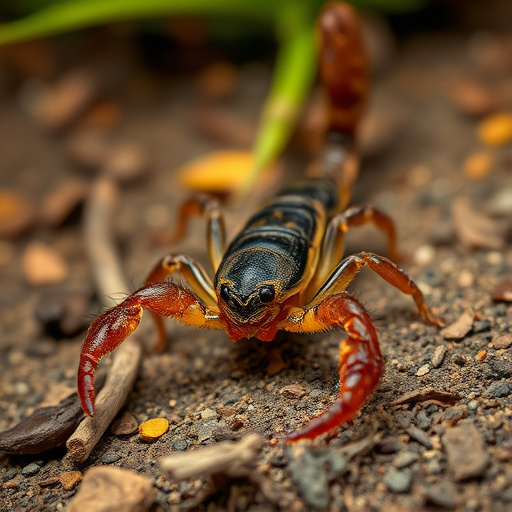
Scorpion infestations can pose significant challenges for homeowners, but there are effective natural repellents for scorpion control that offer a safe and eco-friendly approach. While traditional pest control methods exist, many people are turning to organic solutions due to concerns about health and environmental impact. One of the most powerful natural tools against scorpions is maintaining a clean and clutter-free environment. Scorpions thrive in dark, secluded spaces, so regularly inspecting areas like garages, sheds, and outdoor storage units can help prevent them from establishing a presence. Additionally, keeping vegetation trimmed away from homes and using natural deterrents like citrus peels, garlic, and peppercorns around entry points can act as scorpion control naturally.
Essential oils such as lemongrass, lavender, and tea tree oil have shown promise in repelling scorpions. Mixing these oils with water and spraying the solution around doors, windows, and other potential entry points can create a protective barrier. Another effective natural repellent is diatomaceous earth, a non-toxic powder made from fossilized algae. It damages the exoskeletons of scorpions and other pests, leading to dehydration and eventual death. Sprinkling this powder in cracks and crevices where scorpions might hide is an excellent strategy for scorpion control naturally without resorting to harsh chemicals.
Beyond these specific natural repellents for scorpion control, certain plants act as natural deterrents due to their strong scents. For example, marigolds and lavender are known to repel scorpions and other pests. Planting these around the perimeter of your property can help keep scorpions at bay. Data from agricultural studies shows that some natural solutions can be highly effective. One study found that a mixture of garlic and chili pepper effectively repelled scorpions for up to three months when applied correctly. By combining these organic methods, homeowners can create an integrated pest management strategy that promotes both safety and environmental stewardship.
Effective Strategies for Extermination

Identifying a scorpion infestation early is key to effective scorpion control naturally. One of the first signs may be the presence of scorpion droppings, which resemble small black or brown pellets. These are often left behind in hidden areas like cracks, crevices, and dark corners. Another telltale sign is the distinctive scent some scorpions emit, described as a slightly pungent or ammonia-like odor. While some species prefer solitude, increased activity near lights or in open spaces could indicate a growing population.
Upon confirming an infestation, it’s crucial to employ strategic extermination methods tailored to your specific situation. Professional pest control services offer specialized treatments, ensuring the use of safe and effective scorpion control naturally products. These experts know how to target nests and hideouts, often located in outdoor areas like yards, gardens, or under structures. For a DIY approach, natural repellents like diatomaceous earth, peppermint oil, or capsaicin (from chili peppers) can be applied along common pathways and entry points, disrupting the scorpions’ behavior without harming pets or humans.
Prevention is just as vital as treatment. Regularly inspecting your home’s exterior for potential entry points, sealing gaps, and maintaining proper lighting around windows and doors can deter scorpions from establishing a presence. Additionally, keeping yards free of debris, regularly trimming vegetation, and eliminating water sources encourages them to seek habitats elsewhere. Data suggests that proactive measures can reduce scorpion populations by up to 70%, emphasizing the importance of a multi-pronged approach combining natural scorpion control methods with preventive strategies.
Understanding scorpion behavior and habitat is key to effective scorpion control naturally. By recognizing common habitats, identifying visual signs like webs and tracks, and understanding their nocturnal activity patterns, you gain crucial insights for prevention and management. Employing natural repellents and implementing targeted extermination strategies provide comprehensive solutions. This article equips readers with the knowledge to identify and address scorpion infestations safely and responsibly, ensuring a secure living environment through informed, practical actions.