Understanding Scorpion Control in Oro Valley
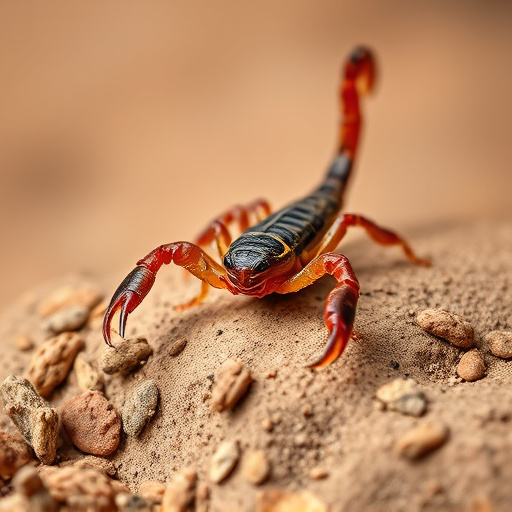
Scorpion control in Oro Valley is a specialized field of pest management focused on the prevention, reduction, and elimination of scorpion populations. This practice is crucial for maintaining the safety and well-being of residents, as some species of scorpions can inflict painful and potentially hazardous stings. The core components of scorpion control in Oro Valley include habitat modification, biological control methods, chemical treatments, and public education on prevention and first aid. Historically, scorpion control efforts have evolved from rudimentary approaches to sophisticated, environmentally sensitive strategies that protect both the community and local ecosystems.
Global Impact and Trends
The relevance of scorpion control extends beyond Oro Valley, affecting communities worldwide. Global trends in urbanization, climate change, and increased travel have expanded the range of scorpions and elevated the need for effective control measures. In arid regions, such as those in Africa, Asia, and the Middle East, scorpion stings represent a significant public health issue. Conversely, in more temperate climates like Oro Valley, Arizona, control measures are proactive, aiming to prevent widespread infestations before they become a public health concern.
Economic Considerations
The economic implications of scorpion control are multifaceted. It involves costs associated with research and development, pesticide production, labor for application, and public education campaigns. From an economic standpoint, the investment in scorpion control can have a positive impact by reducing healthcare costs related to treatment for scorpion stings and minimizing property damage caused by scorpions. Moreover, the tourism industry benefits from a community’s reputation as a safe and comfortable place to live and visit.
Technological Advancements
Advancements in technology have significantly impacted scorpion control strategies. Innovations such as non-toxic baits, traps, and environmentally friendly pesticides are now employed to manage populations without harming non-target species or the environment. Additionally, remote monitoring systems using cameras and motion sensors can detect scorpions, allowing for targeted interventions. Future potential includes the development of genetically modified predators, advanced data analytics for predictive modeling, and automated drones for surveillance and treatment application.
Policy and Regulation
Policies and regulations governing scorpion control in Oro Valley are designed to ensure public safety while preserving the environment. These include guidelines on pesticide use, habitat conservation measures, and integrated pest management (IPM) practices. At a broader level, international agreements and frameworks address the transboundary movement of organisms that may be harmful, including scorpions. Compliance with these regulations is essential for the effective and responsible management of scorpion populations.
Challenges and Criticisms
One of the primary challenges in scorpion control is the balance between effectively managing scorpion populations and minimizing environmental impact. Additionally, resistance to chemical treatments and the ecological role of scorpions must be considered. Public perception and fear of scorpions can lead to overreaction or misinformed practices. Solutions to these challenges include promoting awareness, investing in research for non-lethal control methods, and implementing adaptive management strategies that evolve with new information and changing conditions.
Case Studies
Successful case studies from Oro Valley and other regions demonstrate the effectiveness of integrated approaches to scorpion control. One such example is a community-based initiative that combined habitat modification with public education on preventing scorpion entry into homes. Another case involves the use of biopesticides derived from local plants, which proved to be effective without posing risks to beneficial organisms or humans. These studies provide valuable insights into successful control strategies and highlight the importance of a multi-faceted approach.
Future Prospects
The future of scorpion control in Oro Valley is one of innovation and adaptation. With ongoing research, the integration of cutting-edge technologies, and community involvement, the field is poised to develop more effective, sustainable, and humane control methods. Emerging trends suggest a shift towards holistic management practices that consider the ecological role of scorpions while protecting public health. Strategic considerations include expanding educational programs, investing in genetic research for understanding scorpion behaviors, and exploring novel biological controls.
Conclusion
Scorpion control in Oro Valley is a dynamic and essential field that ensures the safety and well-being of residents while respecting the local environment. Through a combination of technological advancements, policy guidance, economic considerations, and community engagement, this practice continues to evolve, addressing new challenges and adapting to changing circumstances. The importance of scorpion control in its broader context cannot be overstated, as it serves as a model for managing other invasive species worldwide.
FAQ Section
-
What are the most common types of scorpions found in Oro Valley?
- Oro Valley is home to several species of scorpions, with the Arizona bark scorpion (Centruroides sculpturatus) being the most common and venomous species.
-
How effective are non-lethal control methods?
- Non-lethal methods such as habitat modification, traps, and baits can be highly effective in reducing scorpion populations and are less harmful to the environment.
-
Can scorpions enter my home?
- Yes, scorpions can enter homes through cracks and crevices. It’s important to seal potential entry points and maintain a clean, well-sealed living space.
-
What are the health risks associated with scorpion stings?
- Scorpion stings can cause pain, swelling, and in some cases, serious reactions in individuals who are allergic. Prompt medical attention is crucial if a person is stung.
-
Are there any natural predators of scorpions that can be used for control?
- Yes, certain species of birds and reptiles naturally prey on scorpions. Biological control methods explore the use of these predators to manage scorpion populations.
By addressing these frequently asked questions, communities like Oro Valley can better prepare for and manage the presence of scorpions, ensuring a safe and harmonious coexistence with these arachnids.
Scorpion control involves strategic landscaping, clutter removal, and sealed entry points to limit hiding spots. Natural barriers like yucca and lavender, along with specific plant choices and motion-activated lighting, can deter scorpions. Maintaining well-trimmed lawns and gardens reduces scorpion habitats.
Scorpion infestations can be a significant nuisance, but effective landscaping strategies can act as powerful tools in scorpion control. Understanding these creatures’ behavior and preferences is key to creating an environment that discourages their presence near your home. This article explores several practical methods, from physical barriers and natural repellents to lighting strategies, offering comprehensive guidance for a scorpion-free outdoor space. Implement these techniques to transform your yard into a less appealing habitat for scorpions.
Understanding Scorpion Behavior and Habitat Preferences

Scorpions are nocturnal creatures that thrive in warm, dry environments, making them particularly drawn to areas with sparse vegetation and limited shelter. Understanding their behavior and habitat preferences is crucial for effective scorpion control. During the day, scorpions seek refuge in cracks, crevices, and dark, secluded spots, often under rocks, logs, or debris. At night, they emerge to hunt for food and mates.
Knowing this behavior helps in implementing landscaping strategies that deter scorpions. Maintaining a well-trimmed lawn and removing excessive vegetation can reduce available hiding places. Creating a barrier zone around the perimeter of your home using gravel or brick can also be effective, as scorpions tend to avoid open, bare areas. Regularly clearing away clutter and sealing entry points like gaps in foundations or openings behind appliances provides fewer opportunities for scorpions to find shelter close to human habitats.
Creating a Physical Barrier: Landscaping for Scorpion Prevention
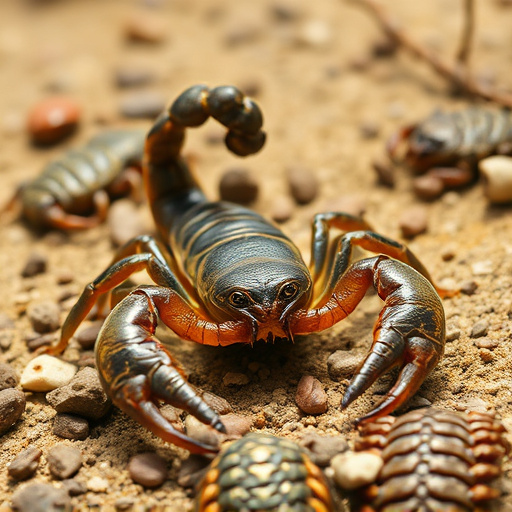
Creating a physical barrier is one of the most effective landscaping strategies to deter scorpions from homes. This involves using specific plants and materials that act as natural Scorpion repellents, while also shaping your garden in ways that limit their access points. For instance, planting dense, prickly shrubs like yucca or lavender around the perimeter of your property can make it less inviting for scorpions. These plants emit scents that are unpleasant to scorpions and may encourage them to seek out other, more welcoming habitats. Additionally, ensuring there is no open access for scorpions to enter through cracks or gaps in walls, foundations, or doors is crucial for scorpion control.
You can further strengthen your physical barrier by incorporating certain landscaping features. For example, creating a buffer zone between your garden and the wild areas around it can help limit the number of hiding spots available to scorpions. Using gravel or crushed stone paths can also make it more difficult for scorpions to move around undetected. These strategies, combined with regular maintenance to remove potential hiding places like woodpiles or loose debris, can significantly reduce the presence of scorpions in and around your home.
Natural Repellents and Plant Choices to Avoid Scorpions

Many people opt for natural scorpion deterrents as an eco-friendly approach to scorpion control. Certain plants and herbs are known to repel these pests due to their strong scents or pungent properties. For instance, chrysanthemums, lavender, marigolds, and lemongrass are popular choices. These plants can be strategically placed around the perimeter of your home, in garden beds, or even indoors to create a barrier against scorpions.
When considering plant life, it’s best to avoid species that scorpions find attractive. Succulents, for example, are known favorites among scorpions due to their water content and texture. Opting for plants with stronger, more aromatic scents can help keep these creatures at bay. Regularly trimming and maintaining your landscape can also deter scorpions by reducing hiding spots and limiting access to water sources.
Lighting Strategies: Deterring Scorpions with Smart Illumination

Scorpion control is a common concern for homeowners, especially in areas where these pests are prevalent. One effective strategy to deter scorpions involves manipulating lighting around the property. Scorpions are generally nocturnal creatures and tend to avoid well-lit areas. Implementing smart illumination techniques can significantly reduce scorpion activity near homes.
Using motion-activated lights or sensors along pathways, driveways, and entrances can be a game-changer. These lights quickly illuminate the area when movement is detected, deterring scorpions from approaching. Additionally, ensuring uniform lighting across the yard, with fewer dark corners, creates an environment less attractive to these creatures. This simple landscaping strategy not only improves outdoor aesthetics but also serves as a practical method of scorpion control.
By implementing these landscaping strategies, you can significantly deter scorpions from entering your home. Understanding their behavior and preferences is key to effective scorpion control. Creating physical barriers, choosing the right plants, and utilizing natural repellents can help make your outdoor space less appealing to these creatures. Additionally, smart lighting strategies ensure your yard isn’t a welcoming beacon for scorpions at night. With these tactics, you can enjoy a more peaceful and scorpion-free environment while maintaining a beautiful landscape.