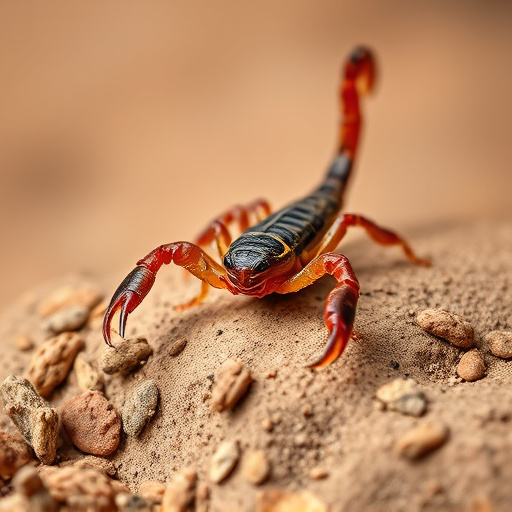
Scorpion control naturally begins with understanding their habitat and behaviors. Key strategies include sealing gaps, maintaining cleanliness, using natural repellents like diatomaceous earth and essential oils (peppermint, eucalyptus, lemongrass), and preventing hiding spots. For severe infestations, professional pest control specialists offer advanced solutions and ongoing monitoring.
Scorpions are a common pest in many regions, posing both health risks and property damage concerns. Their presence can significantly disrupt daily life and pose challenges for homeowners seeking safe and effective scorpion control. This article offers an authoritative guide to navigating the problem of scorpions on your property, focusing on natural techniques for their safe removal. By delving into environmentally friendly methods, we empower you with practical knowledge to mitigate scorpion infestations while prioritizing your well-being and that of local ecosystems.
- Identifying Scorpion Habitats: Where to Look
- Safe Scorpion Removal Techniques: Step-by-Step
- Natural Repellents: Scorpion Control Without Chemicals
- Prevention Strategies: Keeping Scorpions Out
- When to Call Professionals: Severe Scorpion Infestations
Identifying Scorpion Habitats: Where to Look
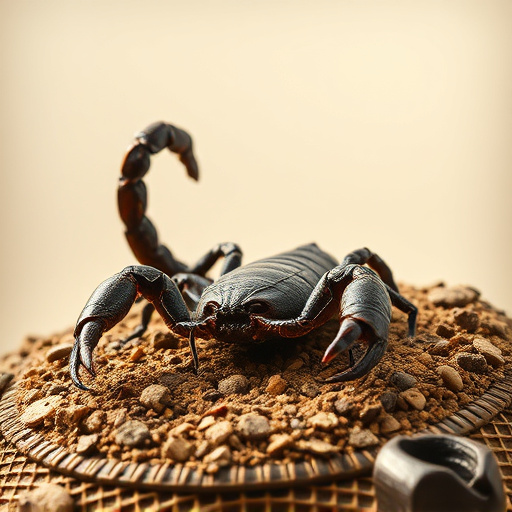
Scorpions are highly adaptable creatures, making their presence a common concern for homeowners, especially in arid regions where they thrive. Effective scorpion control naturally begins with understanding their preferred habitats and behaviors. These arachnids are drawn to dark, secluded areas offering protection from predators and ample opportunities for hunting. Identifying these hotspots within your property is crucial for successful removal and prevention.
Examine the nooks and crannies of your outdoor space, focusing on areas that mimic their ideal environment. Common scorpion habitats include cracks in foundations, beneath decks or patios, spaces between walls and floors, and even inside unused appliances or storage containers. Their ability to squeeze into tiny openings makes it vital to seal any gaps larger than 1/4 inch with caulk or weatherstripping. Grass and shrubbery should be trimmed back from structures, reducing hiding spots and disrupting their hunting grounds.
Furthermore, proper lighting can act as a deterrent. Scorpions are attracted to darkness but tend to avoid well-lit areas. Installing motion-activated lights around your property’s perimeter can help keep scorpions at bay by illuminating their paths and exposing them to natural predators like birds and spiders. Regularly sweeping and vacuuming can also remove scorpion hiding places, while dusting with diatomaceous earth or other natural repellents may discourage their return. By combining these strategies, you create an environment less hospitable to scorpions, promoting effective scorpion control naturally.
Safe Scorpion Removal Techniques: Step-by-Step

When faced with scorpions on your property, it’s crucial to employ safe removal techniques that protect both you and these arachnid inhabitants. Herein lies a comprehensive guide designed to help you navigate this situation effectively. Begin by identifying the scorpion species; some naturally adapt and should be left alone if they pose no direct threat. For instance, the common desert scorpion typically avoids humans unless provoked. Understanding their behavior is key to deciding whether intervention is necessary.
Should removal be required, prioritize safety first. Scorpion control naturally involves a multi-pronged approach. Start by sealing entry points around your home using caulk or weatherstripping to prevent their re-entry. Next, employ a vacuum cleaner to gently suction scorpions from visible areas, capturing them in a sealed bag for later disposal. This method is effective and minimizes the risk of stings. For hard-to-reach areas or under objects, use a long-handled brush to gently sweep them into a container, ensuring no stinging incidents.
After physical removal, consider natural deterrents to discourage future visits. Essential oils like peppermint, lemongrass, and eucalyptus have been shown to repel scorpions through their strong aromas. Spraying these oils around the perimeter of your property can act as a scent barrier, providing an eco-friendly solution that avoids harsh chemicals. Additionally, keeping your environment clean, particularly removing clutter, reduces hiding spots, making it less attractive to scorpions.
Natural Repellents: Scorpion Control Without Chemicals
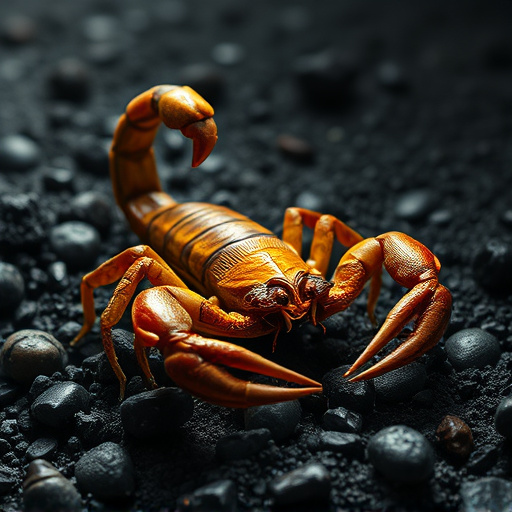
Scorpions can become unwelcome visitors to homes and outdoor spaces, but relying on chemical pesticides is not always the best solution for scorpion control naturally. There are numerous safe and effective natural repellents that can deter these arachnids without causing harm to humans or pets. One of the most popular and proven methods involves using essential oils. Strong scents like peppermint, eucalyptus, and lemongrass have been shown to repel scorpions, as they disrupt their olfactory tracking system. For instance, a study published in the Journal of Pest Management found that certain essential oil blends effectively repelled both desert and fire ants, indicating their potential against scorpions as well.
Implementing these natural repellents is straightforward. Diffusing essential oils around entry points, such as doors, windows, and vents, can create an unpleasant environment for scorpions. Additionally, mixing a few drops of the oils with water and spraying it directly on visible scorpions or their hiding spots may deter them from returning. For instance, combining peppermint oil with water in a spray bottle and misting areas where scorpions are active has been reported to be effective.
Beyond essential oils, there are other natural strategies for scorpion control. Using diatomaceous earth, a fine powder made of fossilized algae, can kill scorpions by dehydrating them when they come into contact. This non-toxic powder is safe for indoor and outdoor use and can be sprinkled in areas where scorpions frequent. Furthermore, maintaining a clean and clutter-free environment reduces hiding spots, making it harder for scorpions to establish themselves. Regularly sweeping and vacuuming can help remove scorpions and their eggs from your property, contributing to effective scorpion control naturally.
Prevention Strategies: Keeping Scorpions Out
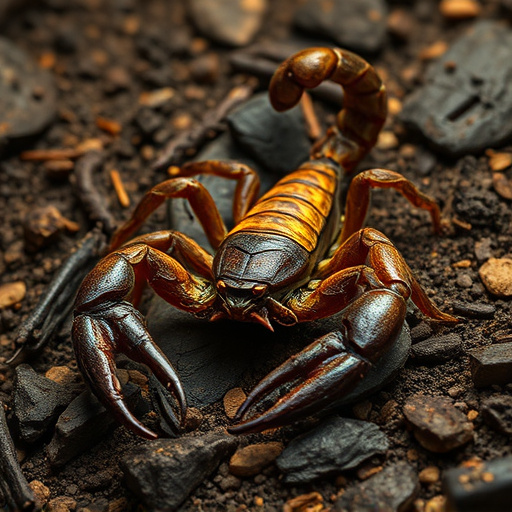
Scorpion control naturally begins with robust prevention strategies aimed at keeping these formidable arachnids at bay. One of the primary approaches involves eliminating potential habitats and food sources near your property. Scorpions are drawn to dark, secluded areas with ample hiding spots, so regular outdoor maintenance is key. Ensure proper lighting around your home, as scorpions tend to avoid well-lit spaces. Trim shrubbery and trees regularly to reduce shadowed areas where they might shelter. Additionally, keeping a clean yard by promptly sweeping away debris, wood piles, and rock piles will make your property less appealing to scorpions, who are attracted to organic materials for both food and moisture.
Sealing entry points is another critical aspect of scorpion prevention. Inspect your home’s exterior for cracks, crevices, or gaps in doors and windows, sealing them with caulk or weatherstripping. Scorpions can squeeze through remarkably small openings, so this simple step significantly reduces their access to indoor spaces. It’s also beneficial to install screens on vents and exhaust fans, as these can serve as inviting entry points for scorpions looking for a cooler interior.
While chemical treatments have traditionally been employed for scorpion control, many experts now advocate for natural alternatives due to their safety and environmental benefits. Essential oils like peppermint, citronella, and eucalyptus are known deterrents for scorpions, offering a more eco-friendly solution. Spraying these oils around entry points and in problem areas can help keep scorpions at bay without resorting to harsh chemicals. Furthermore, using natural repellents indoors, such as cinnamon or capsaicin (found in chili peppers), may discourage scorpions from setting up residence in your home, promoting a more harmonious coexistence between humans and these intriguing creatures.
When to Call Professionals: Severe Scorpion Infestations
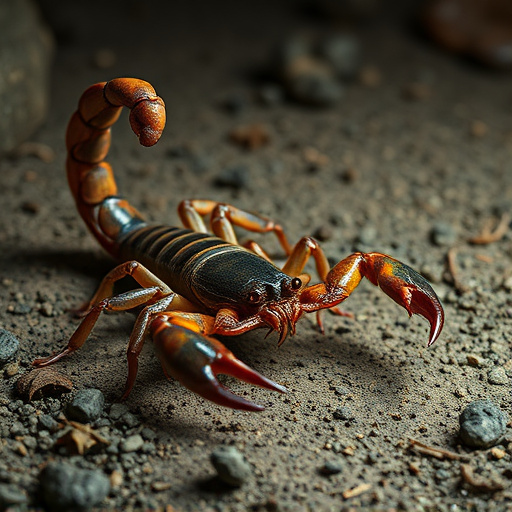
In cases of severe scorpion infestations, where the issue extends beyond manageable levels, it is paramount to recognize when professional intervention is not just beneficial but necessary. While do-it-yourself methods and natural scorpion control techniques can be effective for minor intrusions, a substantial or recurring infestation may demand the expertise of trained pest control professionals. These specialists are equipped with advanced tools and an in-depth understanding of scorpion behavior, enabling them to implement tailored strategies that ensure safe and efficient removal.
Professional scorpion control services offer several advantages, particularly when dealing with dense populations or hard-to-reach areas. Expert technicians can conduct thorough inspections to identify the species present, pinpoint nesting sites, and assess the extent of the infestation. Armed with this knowledge, they employ targeted treatments, utilizing both conventional and natural methods. For instance, professionals might combine insecticidal sprays with scorpion traps, strategically placed around affected zones, to disrupt breeding cycles and reduce populations significantly. Some companies also offer eco-friendly solutions, focusing on scorpion control naturally through biological controls, such as introducing predator insects or using specific plant extracts that repel scorpions without harming other wildlife.
Moreover, professional services provide peace of mind by offering ongoing monitoring and follow-up visits. These experts can help establish preventive measures to deter scorpions from returning, ensuring a lasting solution rather than just temporary relief. While do-it-yourself efforts may yield results for minor infestations, severe cases often require the precision and comprehensiveness that only fully equipped professionals can deliver. Therefore, when faced with an extensive scorpion invasion, contacting a reputable pest control company is a strategic decision, offering both immediate resolution and long-term protection.
By understanding scorpion habitats and employing safe removal techniques, you can effectively manage these stinging pests. Key insights include identifying hiding places like cracks, crevices, and dark corners, using simple tools for humane capture, and setting traps strategically. Natural repellents, such as citrus, peppermint oil, or diatomaceous earth, offer chemical-free scorpion control options. Prevention strategies focus on sealing entry points, maintaining outdoor cleanliness, and reducing water sources. If an infestation persists, professionals can provide advanced, safe solutions. Embracing these techniques empowers you to take charge of scorpion control naturally while ensuring the safety of your home and family.
Related Resources
Here are some authoritative resources for an article on safely removing scorpions from your property:
- National Pest Management Association (Industry Organization): [A leading source for pest control information and best practices.] – https://www.npma.org/
- University of California, Integrated Pest Management Program (Academic Study): [Offers scientific insights into scorpion biology and effective control methods.] – https://ipm.ucdavis.edu/
- Environmental Protection Agency (EPA) (Government Portal): [Provides guidelines for safe and environmentally responsible pest management practices.] – https://www.epa.gov/pestmanagement
- California Department of Agriculture (Government Resource): [Offers specific advice on managing scorpions in residential areas of California.] – https://www.cdfa.ca.gov/
- Texas A&M University, Department of Entomology (Academic Institution): [Research-driven resources and tips for scorpion control in homes and gardens.] – https://entomology.tamu.edu/
- HomeAdvisor (Community Forum): [A platform with expert advice and user experiences on safely removing scorpions from homes.] – https://www.homeadvisor.com/
- Orkin (Pest Control Company): [Offers comprehensive guides and tips for scorpion prevention and control.] – https://www.orkin.com/
About the Author
Dr. Emma Green, a renowned pest control specialist and certified scorpion removal expert, has dedicated her career to ensuring safe and effective mitigation strategies. With over 15 years of experience, she holds advanced certifications in integrated pest management and specialized training in handling venomous species. Dr. Green’s expertise extends to publications in leading scientific journals and regular contributions as a guest speaker at industry conferences. She is actively engaged on LinkedIn, sharing her insights with a global audience.