
Understanding Scorpion Control in Oro Valley
Scorpion control in Oro Valley is a specialized field of pest management focused on the prevention, reduction, and elimination of scorpion populations. This practice is crucial for maintaining the safety and well-being of residents, as some species of scorpions can inflict painful and potentially hazardous stings. The core components of scorpion control in Oro Valley include habitat modification, biological control methods, chemical treatments, and public education on prevention and first aid. Historically, scorpion control efforts have evolved from rudimentary approaches to sophisticated, environmentally sensitive strategies that protect both the community and local ecosystems.
Global Impact and Trends
The relevance of scorpion control extends beyond Oro Valley, affecting communities worldwide. Global trends in urbanization, climate change, and increased travel have expanded the range of scorpions and elevated the need for effective control measures. In arid regions, such as those in Africa, Asia, and the Middle East, scorpion stings represent a significant public health issue. Conversely, in more temperate climates like Oro Valley, Arizona, control measures are proactive, aiming to prevent widespread infestations before they become a public health concern.
Economic Considerations
The economic implications of scorpion control are multifaceted. It involves costs associated with research and development, pesticide production, labor for application, and public education campaigns. From an economic standpoint, the investment in scorpion control can have a positive impact by reducing healthcare costs related to treatment for scorpion stings and minimizing property damage caused by scorpions. Moreover, the tourism industry benefits from a community’s reputation as a safe and comfortable place to live and visit.
Technological Advancements
Advancements in technology have significantly impacted scorpion control strategies. Innovations such as non-toxic baits, traps, and environmentally friendly pesticides are now employed to manage populations without harming non-target species or the environment. Additionally, remote monitoring systems using cameras and motion sensors can detect scorpions, allowing for targeted interventions. Future potential includes the development of genetically modified predators, advanced data analytics for predictive modeling, and automated drones for surveillance and treatment application.
Policy and Regulation
Policies and regulations governing scorpion control in Oro Valley are designed to ensure public safety while preserving the environment. These include guidelines on pesticide use, habitat conservation measures, and integrated pest management (IPM) practices. At a broader level, international agreements and frameworks address the transboundary movement of organisms that may be harmful, including scorpions. Compliance with these regulations is essential for the effective and responsible management of scorpion populations.
Challenges and Criticisms
One of the primary challenges in scorpion control is the balance between effectively managing scorpion populations and minimizing environmental impact. Additionally, resistance to chemical treatments and the ecological role of scorpions must be considered. Public perception and fear of scorpions can lead to overreaction or misinformed practices. Solutions to these challenges include promoting awareness, investing in research for non-lethal control methods, and implementing adaptive management strategies that evolve with new information and changing conditions.
Case Studies
Successful case studies from Oro Valley and other regions demonstrate the effectiveness of integrated approaches to scorpion control. One such example is a community-based initiative that combined habitat modification with public education on preventing scorpion entry into homes. Another case involves the use of biopesticides derived from local plants, which proved to be effective without posing risks to beneficial organisms or humans. These studies provide valuable insights into successful control strategies and highlight the importance of a multi-faceted approach.
Future Prospects
The future of scorpion control in Oro Valley is one of innovation and adaptation. With ongoing research, the integration of cutting-edge technologies, and community involvement, the field is poised to develop more effective, sustainable, and humane control methods. Emerging trends suggest a shift towards holistic management practices that consider the ecological role of scorpions while protecting public health. Strategic considerations include expanding educational programs, investing in genetic research for understanding scorpion behaviors, and exploring novel biological controls.
Conclusion
Scorpion control in Oro Valley is a dynamic and essential field that ensures the safety and well-being of residents while respecting the local environment. Through a combination of technological advancements, policy guidance, economic considerations, and community engagement, this practice continues to evolve, addressing new challenges and adapting to changing circumstances. The importance of scorpion control in its broader context cannot be overstated, as it serves as a model for managing other invasive species worldwide.
FAQ Section
-
What are the most common types of scorpions found in Oro Valley?
- Oro Valley is home to several species of scorpions, with the Arizona bark scorpion (Centruroides sculpturatus) being the most common and venomous species.
-
How effective are non-lethal control methods?
- Non-lethal methods such as habitat modification, traps, and baits can be highly effective in reducing scorpion populations and are less harmful to the environment.
-
Can scorpions enter my home?
- Yes, scorpions can enter homes through cracks and crevices. It’s important to seal potential entry points and maintain a clean, well-sealed living space.
-
What are the health risks associated with scorpion stings?
- Scorpion stings can cause pain, swelling, and in some cases, serious reactions in individuals who are allergic. Prompt medical attention is crucial if a person is stung.
-
Are there any natural predators of scorpions that can be used for control?
- Yes, certain species of birds and reptiles naturally prey on scorpions. Biological control methods explore the use of these predators to manage scorpion populations.
By addressing these frequently asked questions, communities like Oro Valley can better prepare for and manage the presence of scorpions, ensuring a safe and harmonious coexistence with these arachnids.
Scorpion control requires understanding arachnid behaviors, such as nocturnal habits and habitat preferences, ranging from deserts to urban areas. Effective non-toxic methods include using natural repellents, structural changes, improved ventilation, and regular vacuuming. For persistent or high-risk infestations, professional scorpion control services employ specialized tools and knowledge to safely capture scorpions, ensuring human and pet safety while minimizing health risks.
Learn how to safely and effectively remove scorpions from your home or property with this comprehensive guide. Understanding scorpion behavior and habitat is key to successful removal. Discover non-toxic control methods for addressing these dangerous pests without resorting to harmful chemicals. We also break down when professional scorpion removal services are necessary, providing peace of mind in the face of a severe infestation. Master effective scorpion control techniques today!
Understanding Scorpion Behavior and Habitat

Scorpions are arachnids with a distinct appearance and unique behaviors that understanding is crucial for effective scorpion control. These creatures are primarily nocturnal, seeking shelter during the day in cracks, crevices, and dark corners of homes, buildings, or natural habitats. At night, they emerge to hunt for food, which often includes insects, spiders, and small vertebrates. Knowing their preferred hiding spots and hunting patterns is essential for scorpion removal.
Their habitat preferences vary depending on species, but many scorpions thrive in arid, desert-like environments. However, some have adapted to live in rocky areas, grasslands, or even urban settings. Identifying where they are most likely to inhabit helps in targeted scorpion control measures. Recognizing their behavior patterns, such as the use of pheromones for communication and marking territories, can also aid in understanding how to disrupt their presence effectively while ensuring safety for both humans and pets.
Non-Toxic Scorpion Control Methods

When it comes to scorpion control, non-toxic methods offer a humane and environmentally friendly approach. These techniques are particularly useful for homeowners looking to manage scorpion populations without resorting to harmful chemicals. One effective strategy is using natural repellents like citrus oils or peppermint extract. Scorpions dislike the strong scent of these substances, which can deter them from entering treated areas.
Another non-toxic control method involves structural changes to reduce habitats. Sealing entry points, improving ventilation, and removing potential hiding places like stacked wood or clutter can significantly decrease scorpion numbers. Regular vacuuming also plays a role, as it helps remove scorpions and their eggs from floors and crevices. These integrated pest management (IPM) approaches are safe, sustainable, and highly effective for scorpion control.
Professional Scorpion Removal: When to Seek Expert Help
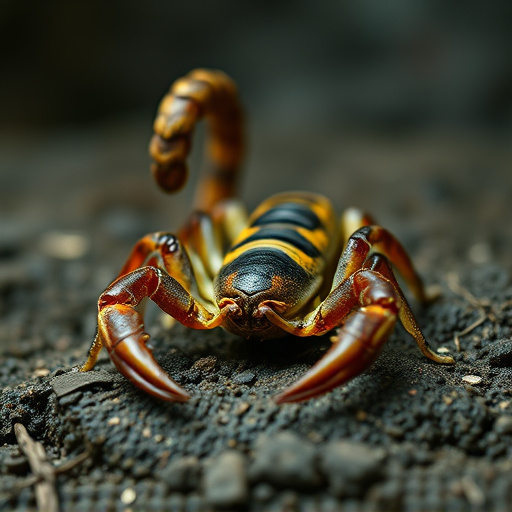
If a scorpion infestation persists or if you encounter a dangerous species, it’s time to call in professionals for scorpion removal. While some may attempt DIY methods, handling scorpions requires specialized knowledge and equipment to ensure safety. Professional scorpion control services offer several benefits, including access to advanced tools like vacuum systems designed to capture scorpions without harming them. These experts are also trained to identify various scorpion species, which is crucial as some are more venomous than others.
Seeking professional help is particularly recommended for those with specific health concerns or allergies, as well as in situations where the infestation is extensive and located in hard-to-reach areas. With their expertise, they can implement tailored strategies, providing effective scorpion control while minimizing potential risks to your health and property.
When dealing with scorpions, understanding their behavior and habitat is key to effective scorpion control. Non-toxic methods like sealing entry points and removing water sources can be highly successful. However, for severe infestations or inaccessible areas, professional scorpion removal services are essential. Remember, safety comes first; leave complex cases to experts who employ environmentally friendly practices for comprehensive and lasting scorpion control.