
Scorpion stings vary in severity, from localized pain to severe systemic reactions. Prompt recognition of symptoms guides appropriate scorpion control naturally. Actions include identifying the species, removing stingers, cleaning wounds, and seeking medical attention for severe reactions. Natural methods like essential oils (neem oil effective up to 24 hours), introducing wolf spiders, and organic pest control (diatomaceous earth, boric acid) offer safer alternatives to antivenoms. A comprehensive approach combining these methods creates an eco-friendly scorpion control strategy. Prevention involves regular inspections, sealing entry points, planting repelling plants, maintaining cleanliness, and educating about local scorpion behaviors.
Scorpion stings pose a significant health concern worldwide, with their venom capable of causing severe pain and potential complications. The prevalence of these arachnids, coupled with their defensive nature, makes effective scorpion control naturally imperative for communities and individuals alike. This article provides an in-depth guide to managing scorpion stings safely and efficiently. We delve into the mechanics of a sting, explore symptoms, and offer evidence-based strategies for at-home treatment, emphasizing natural remedies where possible. By understanding these guidelines, readers can confidently navigate potential encounters, ensuring prompt and effective scorpion control naturally.
- Recognize Symptoms: Understanding Scorpion Sting Reactions
- Immediate Actions: What to Do After a Scorpion Sting
- Natural Remedies: Effective Scorpion Control Without Chemicals
- Prevention Strategies: Safeguarding Against Future Stings
Recognize Symptoms: Understanding Scorpion Sting Reactions

Scorpion stings can vary greatly in severity, making it crucial to recognize symptoms and understand potential reactions. While some stings may cause minimal discomfort, others can lead to serious medical conditions that require immediate attention. The most common symptoms include intense local pain, swelling, and redness at the site of the sting. In some cases, a burning sensation or nausea might occur. It’s important to note that certain species of scorpions possess venom potent enough to trigger more severe responses, including difficulty breathing, chest pain, or even cardiovascular issues.
One key factor in effective scorpion control naturally is recognizing these symptoms promptly. Localized reactions typically peak within 30 minutes to an hour after the sting and can last for several days. However, if symptoms persist beyond initial inflammation or intensify unexpectedly, it’s essential to seek medical attention immediately. For instance, a study published in the Journal of Emergency Medicine reported that approximately 5% of scorpion sting victims required emergency treatment due to severe systemic reactions.
To facilitate timely interventions, individuals living in areas where scorpions are prevalent should be educated on these symptoms. This knowledge can empower them to differentiate between regular stings and those requiring urgent care. Moreover, understanding the specific type of scorpion responsible for the bite can aid in predicting potential outcomes and choosing appropriate treatments. For example, while most common scorpions have venoms primarily affecting local areas, some species are known for more potent neurotoxins that demand rapid medical attention.
Immediate Actions: What to Do After a Scorpion Sting
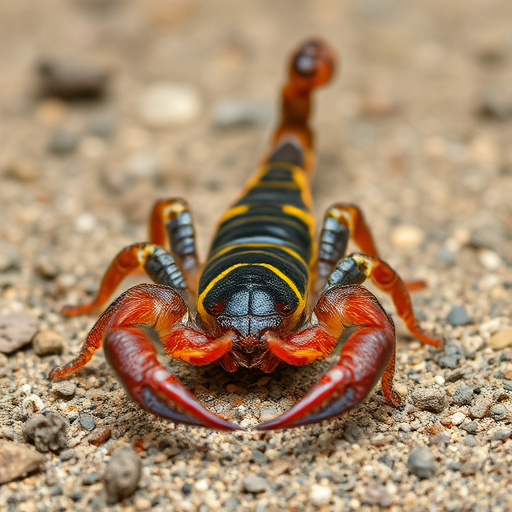
A scorpion sting can be a frightening experience, but with prompt and proper action, most stings can be treated safely and effectively at home. The first step is to remain calm and assess the situation. If possible, identify the scorpion species responsible for the sting, as some are more venomous than others. This knowledge can help healthcare providers determine the best course of treatment. Remove the stinger immediately if visible using a flat edge like a credit card or fingernail to scrape it out—avoiding squeezing the venom sac. This is crucial because each sting delivers a unique dose of venom, and repeated injection can worsen symptoms.
After removing the stinger, wash the affected area with soap and water to clean the wound and prevent infection. Applying ice packs for 10-15 minutes several times an hour can help reduce swelling and pain. In most cases, over-the-counter pain relievers like ibuprofen or acetaminophen are sufficient to manage discomfort. However, if severe symptoms develop—such as nausea, dizziness, difficulty breathing, or swelling in the face, lips, or throat—seek medical attention immediately. These could be signs of a more serious reaction, and professional scorpion control naturally may involve administering antivenom.
For individuals with known severe allergies to scorpion stings, carrying an epinephrine auto-injector (like an EpiPen) is essential. It’s crucial to follow the instructions provided by healthcare professionals for using these devices. Additionally, those who frequently encounter scorpions in their environment should consider prevention strategies, such as eliminating water sources that may attract scorpions and sealing entry points into homes or buildings. Scorpion control naturally involves creating a less hospitable environment, reducing the risk of future encounters and stings.
Natural Remedies: Effective Scorpion Control Without Chemicals
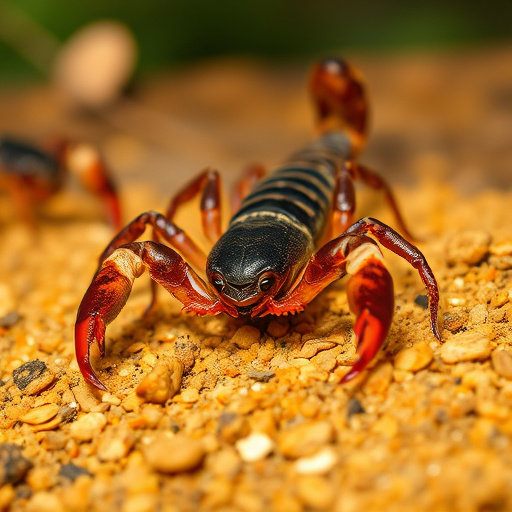
Scorpion stings can be incredibly painful and, in some cases, dangerous, particularly for children, the elderly, or individuals with certain medical conditions. While antivenoms are available, their availability is limited, and they don’t address the root problem—scorpion control. Here, we explore natural remedies that offer effective scorpion control without relying on chemicals, providing a safer, more environmentally friendly approach to managing these pesky arachnids.
One of the most popular natural scorpion control methods involves using essential oils. Peppermint, lemon eucalyptus, and neem oil are known to repel scorpions due to their strong scents. For instance, diluting these oils in water and spraying the solution around entry points can create a barrier that discourages scorpions from entering homes or buildings. A study published in the Journal of Insect Science found that neem oil was highly effective against various insect pests, including scorpions, with repellency lasting up to 24 hours. However, it’s crucial to note that while essential oils can be effective deterrents, they may not eliminate existing scorpion populations and should be used as part of an integrated pest management strategy.
Another powerful tool in scorpion control naturally is the use of natural predators. Certain species of spiders, such as the wolf spider, are known to feed on scorpions. Introducing these helpful arachnids into affected areas can help regulate scorpion numbers. This approach not only promotes biodiversity but also provides a sustainable solution for scorpion control without harmful chemicals. Additionally, using organic pest control products, like diatomaceous earth or boric acid powder, can kill scorpions physically while being safe for humans and pets if used correctly.
In conclusion, addressing scorpion infestations through natural remedies offers an eco-friendly and safer alternative to chemical-based solutions. Combining essential oils, introducing natural predators, and employing organic pest control products creates a comprehensive approach that not only controls scorpion populations but also minimises potential health risks and environmental impact. Always consult with local pest control experts or researchers for region-specific, effective strategies in scorpion control naturally.
Prevention Strategies: Safeguarding Against Future Stings

Preventing scorpion stings is a proactive approach to ensure safety, especially in regions where these arachnids are prevalent. Understanding their behavior and habitat is key to safeguarding against future encounters. Scorpions are most active during the night, preferring dark, secluded areas, such as cracks in walls, under rocks, or inside shoes. Therefore, one of the most effective prevention strategies is to conduct regular inspections of living spaces, particularly in warm climates. This includes sealing entry points like gaps around pipes and electrical wires, ensuring proper storage of outdoor items, and trimming vegetation close to windows and doors.
Natural scorpion control methods can also be employed as part of a comprehensive prevention strategy. For instance, certain plants like lemongrass, lavender, and marigolds have been shown to repel scorpions when grown around the perimeter of homes or in potted plants indoors. Additionally, maintaining a clean environment, especially outside, is crucial. Removing clutter and debris provides fewer hiding places for scorpions and reduces the risk of unexpected encounters. Regular vacuuming can also help eliminate scorpions and their larvae from indoor spaces, as it effectively removes webbing and hidden stings.
Education plays a significant role in prevention. Teaching individuals about scorpion species specific to their region empowers them to identify these arachnids accurately. Knowing their behaviors and preferences allows for better avoidance tactics. For example, understanding that certain scorpion species are more active during the cooler evening hours can prompt outdoor activities during daylight when scorpions are less likely to be encountered. This knowledge, combined with proper prevention measures, creates a safer environment and reduces the likelihood of scorpion stings over time.
By understanding scorpion sting reactions, taking immediate actions like washing the wound and seeking medical attention when necessary, utilizing natural remedies for pain relief and inflammation, and implementing prevention strategies such as securing living spaces and wearing protective footwear, you can effectively manage and prevent scorpion stings. Moreover, adopting natural scorpion control methods, like using essential oils or creating physical barriers, offers safer alternatives to chemical-based solutions. This comprehensive approach empowers individuals to navigate scorpion encounters with confidence, ensuring both immediate relief and long-term protection while fostering a harmonious relationship with these creatures in their natural habitats.