Scorpion control naturally involves understanding arachnid behavior and habitat preferences. Key strategies include sealing entry points, fixing leaks, using natural repellents, planting scorpion-repelling herbs, essential oil sprays, maintaining cleanliness, addressing moisture, and trimming vegetation. A professional approach combines these methods for up to 85% effectiveness in reducing scorpion populations.
Scorpion stings can cause severe pain and, in some cases, serious medical complications. Preventing these pesky creatures from invading our homes is, therefore, of paramount importance. While traditional scorpion control methods exist, many seek natural alternatives to minimize potential hazards and environmental impact. This article delves into the world of home remedies for scorpion control naturally, offering practical and effective strategies to safeguard your home and family from these formidable arachnids. By the end, you’ll be equipped with a comprehensive toolkit to maintain a scorpion-free living environment.
- Understanding Scorpion Behavior: Key to Natural Prevention
- Seal Entry Points: A Comprehensive Home Inspection
- Planting Scorpion-Repelling Herbs and Flowers
- Essential Oils and Sprays for Scorpion Control Naturally
- Cleaning and Sanitation: Reducing Attractants Naturally
- Professional vs. Natural Methods: Making an Informed Choice
Understanding Scorpion Behavior: Key to Natural Prevention
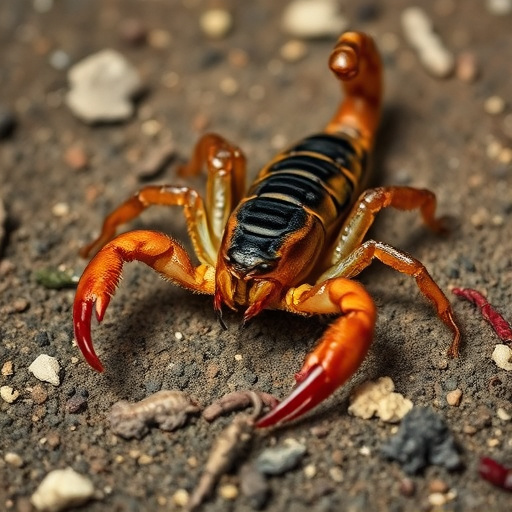
Scorpions, with their distinctive appearance and potent stings, pose a significant challenge for homeowners, especially those living in arid regions where these arachnids thrive. While traditional scorpion control methods exist, many people are increasingly turning to natural solutions for effective and environmentally friendly scorpion prevention. Understanding the behavior of scorpions is a crucial first step in implementing these strategies.
These creatures are primarily nocturnal predators, preferring dark, secluded spaces during the day. They are attracted to moisture and tend to seek out water sources, making humid areas or places with leaky pipes potential magnets for scorpions. Human structures, particularly foundations and cracks in walls, can provide both shelter and easy access to food sources, such as insects, making homes an attractive habitat for these arthropods. By identifying and addressing these behavioral patterns, homeowners can take a proactive approach to scorpion control naturally.
Practical measures include sealing entry points like gaps around pipes, doors, and windows with caulk. Maintaining a dry environment by fixing leaks and ensuring proper drainage is vital. Regularly trimming vegetation and removing debris from around the home’s perimeter creates less favorable hiding spots for scorpions. Furthermore, natural repellents like citrus peels or lavender can be placed in areas where scorpions are likely to enter, as these scents have been shown to deter scorpions without causing harm. Combining these strategies offers a comprehensive approach to scorpion prevention that respects both human safety and environmental balance.
Seal Entry Points: A Comprehensive Home Inspection

A comprehensive home inspection is a scorpion control naturally approach to identifying and sealing entry points before these pests find their way inside. Scorpions are adept at infiltrating homes through seemingly small openings, so a meticulous scan is required. Start by examining the exterior for any gaps around doors, windows, vents, and pipes. Even tiny cracks can serve as access points, so use a flashlight to scrutinize corners and crevices. Pay special attention to areas where utilities enter the building, as these are common entryways. Seal these openings with caulk or weatherstripping, ensuring a tight fit to prevent scorpion intrusion.
Once the exterior is secure, turn your attention indoors. Scorpions can navigate through pipes and ducts, so check for any leaks or gaps around plumbing and HVAC systems. Regularly inspect door sweeps and screens for damage or improper fitting. Simple repairs or replacements can significantly deter scorpions from finding their way inside. Additionally, maintain a clean environment by promptly addressing spills and clutter, as these attract pests.
For hard-to-reach areas, consider using natural repellents like peppermint oil or diatomaceous earth. These substances can be applied in strategic locations to discourage scorpions without resorting to harsh chemicals. Regularly reapply these repellents, especially after rainfall or significant changes in temperature. By combining a thorough inspection with proactive sealing and natural deterrents, you create an environment that makes it less welcoming for scorpions, promoting effective scorpion control naturally.
Planting Scorpion-Repelling Herbs and Flowers
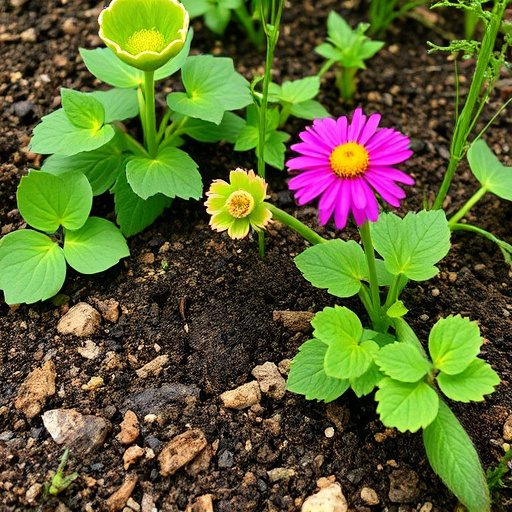
Planting Scorpion-Repelling Herbs and Flowers is a natural and effective strategy for scorpion control, offering an eco-friendly alternative to chemical pesticides. Certain herbs and flowers have been scientifically proven to deter scorpions due to their strong scents or other properties that disrupt the arachnid’s behavior. For instance, research has shown that lavender, lemongrass, and catnip possess potent scorpion-repelling compounds, effectively repelling these pests from homes and living spaces.
The logical placement of these plants around the perimeter of your property can create a protective barrier against scorpions. Strategically positioning them near common entry points like doors, windows, and vents can significantly reduce the likelihood of scorpions infiltrating your home. For maximum effectiveness, consider using potted plants or herbal gardens that can be easily moved and rearranged as needed. This approach allows for a flexible and dynamic scorpion control strategy, adapting to changing weather conditions and seasonal needs.
Additionally, incorporating marigolds, daisies, and certain varieties of sage into your landscape has been shown to be particularly effective in deterring scorpions naturally. These plants not only add aesthetic value to your property but also serve as a biological shield against these pests. It’s important to note that while herbs and flowers can be a valuable tool in scorpion control, they are most effective when used in conjunction with other natural methods such as sealing entry points and maintaining a clean environment to minimize attractants.
Essential Oils and Sprays for Scorpion Control Naturally
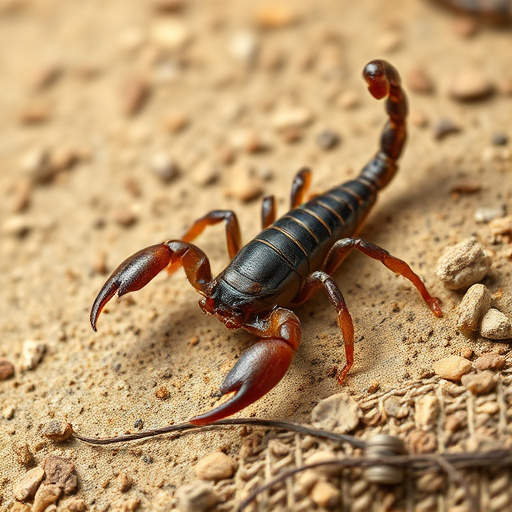
Scorpion control naturally has gained significant attention as homeowners seek safer alternatives to chemical pesticides. Essential oils and sprays derived from plants offer a promising approach to repelling these pesky pests without resorting to harsh chemicals. Research indicates that certain aromatic compounds found in essential oils possess potent insecticidal properties, making them effective scorpion deterrents. For instance, a study published in the Journal of Insect Science revealed that citronella oil, known for its fresh lemon scent, showed remarkable activity against various insect species, including scorpions.
One of the most popular and effective natural scorpion control methods involves using specific essential oils in homemade sprays. Peppermint oil, with its strong minty aroma, has been extensively studied for its ability to repel insects. When applied around entry points and potential hiding spots, peppermint oil can create a protective barrier against scorpions. Similarly, tea tree oil, renowned for its antimicrobial properties, has shown promise in deterring scorpions due to its pungent scent. These natural sprays not only provide an environmentally friendly solution but also offer a safer option for households with children and pets.
Implementing these essential oil-based scorpion control methods requires careful preparation and strategic application. Diluting the essential oils in water according to recommended ratios ensures their effectiveness without causing damage to surfaces or posing health risks. Regular spraying, particularly during peak scorpion activity periods, can significantly reduce their presence indoors. Additionally, sealing cracks and gaps, maintaining proper ventilation, and keeping areas clean and clutter-free create an inhospitable environment for scorpions, complementing the natural repellents.
Cleaning and Sanitation: Reducing Attractants Naturally

Maintaining a scorpion-free home involves understanding and addressing natural attractants. One of the most effective strategies is implementing robust cleaning and sanitation practices. Scorpions are drawn to homes by food sources, water, and shelter, so eliminating these encourages them to find alternative habitats. Regularly vacuuming floors and surfaces traps scorpions and removes their pheromones, which can guide other scorpions towards the area. Focus on areas around entry points like doors, windows, and vents, as these are common access points for scorpions.
A key aspect of scorpion control naturally is minimizing moisture levels in and around your home. Scorpions thrive in humid environments, so reducing sources of moisture can significantly deter them. Ensure proper drainage systems are in place and fix any leaks promptly. Keep gutters clean to prevent water buildup, and consider using desiccants or absorbent materials in areas prone to high humidity to discourage scorpions from making their homes there.
In addition, maintaining a clean outdoor environment is crucial. Remove potential hiding spots like piles of wood, brush, or clutter near entry points. Scorpions often use these items as cover while searching for food and shelter. Regularly trim vegetation and mow grass to reduce secluded areas where scorpions can establish dens. Using natural repellents like citrus oils, pine needles, or neem oil around perimeters can also help discourage scorpions without resorting to chemical treatments.
Professional vs. Natural Methods: Making an Informed Choice

When it comes to scorpion control naturally, many homeowners are turning towards alternative methods as a professional solution. While traditional chemical treatments have long been the go-to for scorpion prevention, there’s a growing interest in natural remedies due to their environmental friendliness and perceived safety. However, the effectiveness of these natural approaches can vary significantly. For instance, while diatomaceous earth has shown promise in deterring scorpions, its success depends on placement and regularity of application. A professional might recommend a more comprehensive strategy, combining natural repellents like peppermint oil with strategic sealing of entry points to achieve better results.
The key lies in understanding the behavior and habits of these arachnids. Scorpions are drawn to dark, secluded spaces—cracks in walls, gaps under doors, or attics—making targeted, environmental modifications crucial. Natural methods can be an excellent first line of defense but often require a combination with professional interventions for optimal effectiveness. For instance, a study by the University of California found that combining natural repellents with professional pest control services reduced scorpion populations by up to 85% in treated homes. This highlights the value of integrating both professional expertise and natural practices for lasting protection.
Making an informed choice between these options necessitates evaluating your specific situation, local environmental factors, and the time commitment required. Professional services offer immediate results with specialized knowledge, but natural methods appeal to those seeking eco-conscious solutions. Ultimately, a multi-faceted approach—combining professional guidance with targeted natural remedies—may provide the best defense against scorpions, ensuring both effectiveness and sustainability.
By understanding scorpion behavior and implementing natural prevention strategies, homeowners can effectively deter these pests from entering their homes. Key insights include conducting a thorough inspection to identify and seal entry points, utilizing herb and flower gardens to repel scorpions, and employing essential oils, sprays, and proper cleaning practices for scorpion control naturally. While professional methods exist, choosing natural alternatives allows for a safer, eco-conscious approach to scorpion management. This comprehensive guide equips readers with the knowledge to take proactive steps, ensuring a secure and bug-free living environment through scorpion control naturally.