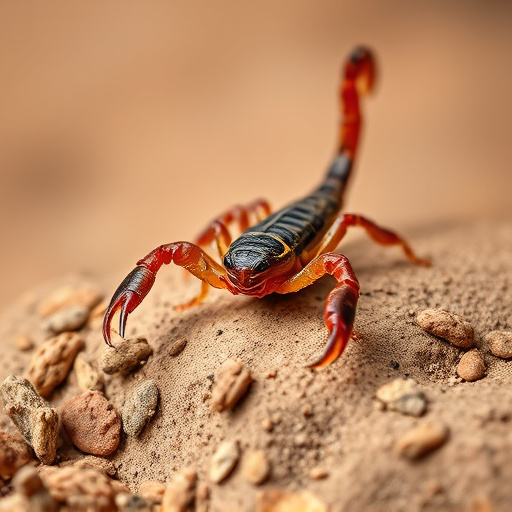
Scorpion control naturally involves understanding arachnid behavior and habitat preferences. Strategies include manipulating hiding spots, using plant deterrents like lavender and marigolds, maintaining a clean yard, creating open spaces, diversifying landscapes, reducing moisture, and regular maintenance to attract beneficial insects. Scientific studies confirm the effectiveness of specific plants' aromas as repellents. Natural scent barriers and physical modifications, such as sealing entry points, contribute to a comprehensive, safe approach to scorpion control naturally.
Scorpion stings can pose significant health risks, making scorpion control a pressing concern for homeowners, especially those in regions with high scorpion populations. While traditional methods exist, many seek natural alternatives for safer, more environmentally friendly scorpion deterrents. This article delves into effective landscaping strategies designed to repel scorpions without resorting to harsh chemicals, offering practical insights for proactive scorpion control naturally. By employing strategic plant choices, structural adjustments, and environmental modifications, homeowners can create a hostile environment for these arachnids while fostering a harmonious connection with nature.
- Understanding Scorpion Behaviors: Key to Natural Deterrents
- Designing Your Yard for Maximum Scorpion Control
- Implementing Safe and Effective Scorpion Repelling Measures Naturally
Understanding Scorpion Behaviors: Key to Natural Deterrents
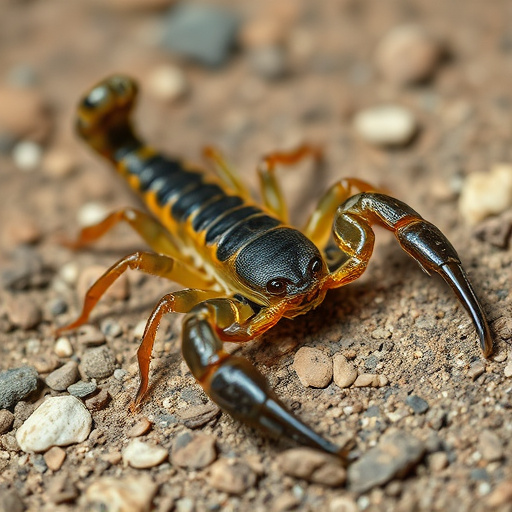
Scorpions are naturally adept at finding shelter and hiding from potential threats, making them elusive and challenging to control. Understanding their behaviors is key to implementing effective scorpion control naturally. These arachnids prefer dark, secluded spaces with minimal disturbance, often seeking refuge in cracks, crevices, and under objects during the day to avoid heat and emerge at night to hunt for food. By recognizing these habits, homeowners can employ strategic landscaping techniques to deter scorpions without resorting to chemical treatments.
One of the most powerful tools in scorpion control naturally is the manipulation of their habitat. Removing potential hiding spots by trimming vegetation, mowing grass regularly, and clearing debris from areas surrounding the home significantly reduces scorpion population. For instance, dense shrubs and tall grasses provide ideal cover for scorpions; replacing them with lower-growing plants discourages these pests from lingering near homes. Additionally, sealing entry points such as cracks in foundations, gaps around doors and windows, and openings in screens can prevent scorpions from infiltrating indoor spaces.
Incorporating certain plants into landscaping designs has been shown to be an effective organic scorpion deterrent. Many herbs and flowers possess strong scents that scorpions find unpleasant. Lavender, rosemary, basil, and marigolds are excellent examples; their fragrance repels scorpions naturally. Planting these aromatics around the perimeter of the house creates a scent barrier that discourages these creatures from crossing. Moreover, maintaining a clean yard with no accumulations of organic matter, such as fallen leaves or wood piles, minimizes attractive environments for scorpion breeding and nesting. Regular cleaning routines and proper waste disposal are crucial practices in scorpion control naturally.
Designing Your Yard for Maximum Scorpion Control

Designing your yard for maximum scorpion control involves a strategic approach that combines smart landscaping with natural methods of scorpion deterrence. Scorpions are naturally attracted to dark, secluded areas with abundant vegetation—the perfect hiding spots in hot, dry climates. To disrupt this habitat, opt for open spaces with well-lit areas and minimal shrubbery, especially around your home’s foundation. This reduces the opportunities for scorpions to set up camp close to entry points.
Implementing a diverse landscape can significantly aid in scorpion control naturally. Planting a mix of native, drought-resistant grasses, herbs, and shrubs creates an environment that discourages scorpions while offering beneficial habitats for natural predators like spiders and birds. For instance, lavender, rosemary, and marigolds are known to repel scorpions due to their strong scents, providing both beauty and protection. Moreover, creating pathways and patios with materials like gravel or pavers reduces the overall moisture content in your yard, making it less appealing to scorpions that prefer humid environments.
Regular maintenance is key to sustaining these scorpion control naturally efforts. Keep debris, such as leaves and grass clippings, cleared from corners and crevices where scorpions might hide. Inspect outdoor structures like pergolas or storage sheds, sealing any gaps or cracks that could serve as entry points. Lastly, consider adding features like a water feature or an attractive birdbath to draw in beneficial insects that feed on scorpions, creating a natural balance in your yard ecosystem. These strategies work together to make your outdoor space less hospitable to scorpions while promoting a healthy, balanced environment.
Implementing Safe and Effective Scorpion Repelling Measures Naturally
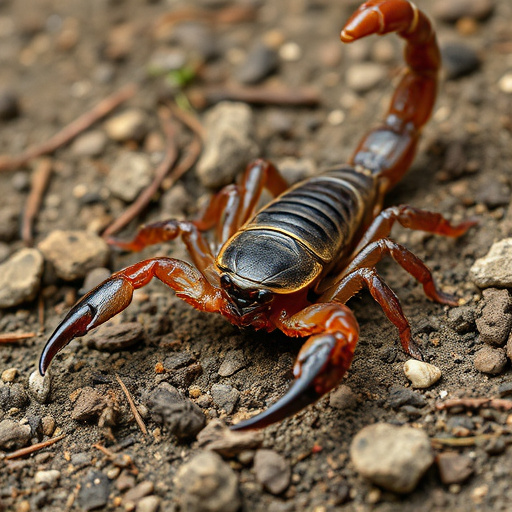
Implementing safe and effective scorpion repelling measures naturally is a multifaceted approach that combines knowledge of scorpion behavior with strategic use of plant essences, scents, and physical barriers. One of the most effective natural methods involves selecting plants known to deter scorpions. For instance, lavender, lemongrass, and citronella are powerful natural repellents due to their distinct aromas. Incorporating these plants around the perimeter of your home can help create a scorpion-unfriendly environment without resorting to harsh chemicals. A study published in the Journal of Insect Science found that certain plant essential oils, including those derived from lavender and peppermint, significantly reduced scorpion activity in treated areas.
Additionally, natural scent barriers can be created using specific fragrances that scorpions find repulsive. Peppermint oil, for example, is a well-documented scorpion repellent. Diluting it and applying it around entry points, such as doors and windows, can act as a powerful yet safe deterrent. It’s important to note that the effectiveness of these methods varies based on local species and environmental factors, but many professionals in scorpion control naturally advocate for a combination of plant-based solutions to achieve optimal results.
Physical modifications to your property are another crucial component. Ensuring proper sealing of cracks and crevices where scorpions might seek shelter is essential. Regular inspection and maintenance of doors, windows, and foundations can significantly reduce the risk of scorpion invasion. Furthermore, keeping your home clean and clutter-free minimizes hidden spaces that scorpions favor. Combining these natural methods with diligent maintenance provides a comprehensive and safe approach to scorpion control naturally, offering both immediate relief and long-term prevention.
By understanding scorpion behaviors and incorporating strategic landscaping techniques, homeowners can effectively deter these creatures without resorting to harsh chemicals. Key insights include creating a physical barrier with proper planting choices, maintaining a well-lit outdoor space, and eliminating potential hiding spots. Natural repellents like certain plants, essential oils, and mineral compounds offer safe alternatives for scorpion control naturally. This holistic approach not only protects homes but also promotes an eco-friendly environment, ensuring peace of mind for residents and local ecosystems alike.