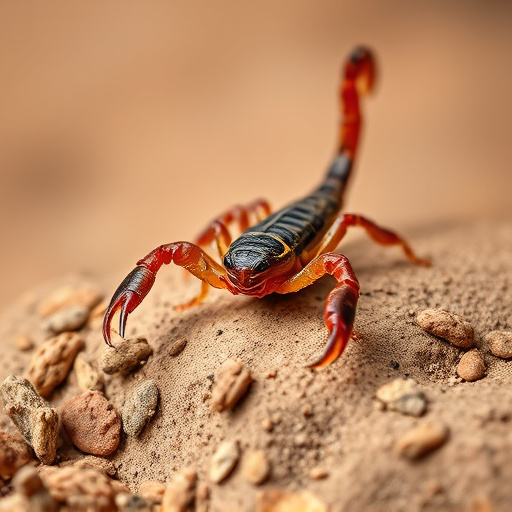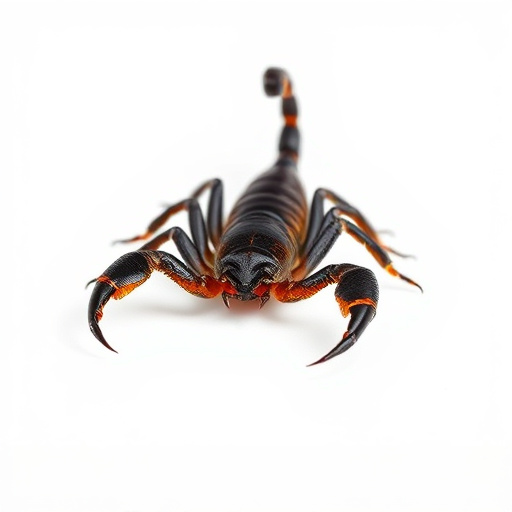
Scorpion control naturally involves a multi-step approach: identify and seal entry points, maintain a clean home and yard, use natural repellents like essential oils and citrus peels, and plant aromatic herbs near entrances. By combining these strategies, homeowners can create an unwelcoming environment for scorpions, promoting long-term, sustainable protection without harsh chemicals.
Scorpion stings can cause severe pain and, in some cases, serious health complications. Preventing these pesky creatures from entering homes is a key aspect of scorpion control naturally and effectively. While traditional methods exist, many seek safer alternatives due to concerns over chemical use or environmental impact. This article offers an in-depth look at proven home remedies and practical strategies for keeping scorpions at bay without resorting to harsh chemicals. By understanding these natural solutions, you’ll gain valuable knowledge for maintaining a scorpion-free living environment, ensuring peace of mind and safety for you and your family.
- Understanding Scorpion Behavior: Keys to Natural Prevention
- Creating a Scorpion-Unfriendly Environment: Effective Strategies
- Scorpion Repellents: Plant-Based Solutions for Natural Control
- Sealing Entrances: A Comprehensive Guide to Scorpion Proofing Your Home
Understanding Scorpion Behavior: Keys to Natural Prevention

Scorpions are naturally adaptable creatures, often finding their way into homes as they seek food and shelter. Understanding their behavior is a crucial step in implementing effective scorpion control naturally. These arachnids are primarily nocturnal, preferring dark, secluded spaces during the day, making their presence in homes more prevalent at night. They are attracted to carbon dioxide, heat sources, and moisture, with certain species favoring specific environments like bathrooms, kitchens, or laundry rooms.
Identifying and eliminating potential entry points is a key strategy. Common access points include gaps around pipes, electrical wires, doors, and windows. Sealing these openings with caulk or weatherstripping can significantly deter scorpions. Natural repellents like citrus scents, peppermint oil, and capsaicin (from chili peppers) have been shown to be effective. For instance, a study published in the Journal of Pest Management found that applying peppermint oil to common scorpion habitats reduced their presence by over 70% compared to untreated areas.
Regular cleaning and decluttering are essential. Scorpions thrive in cluttered environments, so maintaining a clean home, especially removing piles of clothes or paper, can reduce hiding spots. Natural cleaning products derived from essential oils can also act as deterrents without harmful chemicals. Additionally, keeping outdoor lighting dimmed, particularly near entry points, can help, as scorpions are attracted to bright lights. By combining these strategies, homeowners can create an environment less welcoming to scorpions and promote effective scorpion control naturally.
Creating a Scorpion-Unfriendly Environment: Effective Strategies
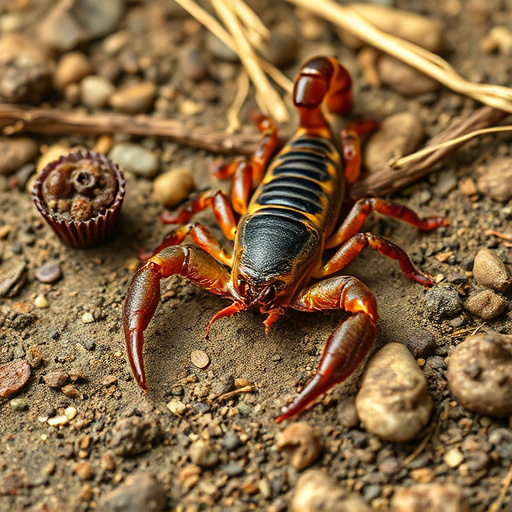
Creating a scorpion-unfriendly environment is a multifaceted approach to scorpion control naturally and preventing them from entering homes. A key strategy involves removing potential hiding places and food sources. Scorpions thrive in dark, secluded areas with easy access to water and insects. Regularly inspect your home, especially in corners and crevices, and eliminate any debris or clutter that could provide shelter. Keep gutters clean and repair any leaks in plumbing or rooflines, as these can attract scorpions seeking moisture.
Seal entry points is another critical component of scorpion control naturally. Use caulk or weather stripping to close gaps around doors, windows, and utility pipes. Pay special attention to areas where wires or cables enter the house, as these can provide pathways for scorpions. Mesh screens over vents and openings can also help prevent their entry. Maintaining a clean yard is equally important. Remove piles of wood, leaves, or other organic material that could serve as hiding places, and trim vegetation away from foundations to reduce hiding spots and disrupt their foraging patterns.
In addition to physical barriers, certain natural scents and substances can act as deterrents. Scorpions are known to avoid strong-smelling plants like lemongrass, lavender, and mint. Planting these around your home’s perimeter can help create a scorpion-repellent buffer zone. Additionally, mixing equal parts water and essential oils from these plants in a spray bottle and lightly spritzing areas where scorpions are suspected to enter can be effective. Some natural repellents, such as diatomaceous earth or citrus peels, can also be strategically placed in problem areas to disrupt their tracks and deter them from returning. These strategies combine to create an environment that is less welcoming to scorpions, promoting scorpion control naturally and maintaining a safer living space.
Scorpion Repellents: Plant-Based Solutions for Natural Control
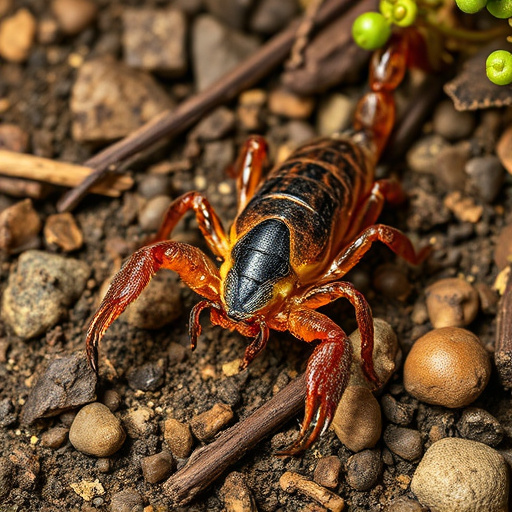
Scorpions, with their formidable stings, are unwelcome guests in any home. While professional scorpion control services exist, many homeowners seek natural alternatives for scorpion repellent, opting for plant-based solutions as a safer and more eco-friendly approach to scorpion control naturally. Research shows that certain plants emit chemicals that act as powerful deterrents against scorpions, offering a sustainable way to keep these arachnids at bay without resorting to harsh chemicals.
For instance, citrus fruits like lemon, orange, and grapefruit contain compounds such as limonene and linalool, which studies have proven effective in repelling scorpions. Positioning halved citrus fruits or fresh fruit peels around entry points can act as a natural barrier. Similarly, plants like lavender, mint, and basil possess aromatic properties that scorpions find unpleasant. Growing these herbs near doors and windows can serve as a scent-based scorpion repellent. The key lies in selecting plants with strong, distinct odors that scorpions avoid, thereby creating an inhospitable environment without causing any harm to humans or pets.
Implementing these plant-based solutions requires strategic placement for maximum effectiveness. Regularly trimming and replacing plants ensures their potency remains intact. Moreover, combining multiple natural repellents can create a multi-layered defense against scorpions. While these methods might not eradicate existing scorpion infestations, they significantly reduce the likelihood of new ones, providing homeowners with a long-term, sustainable approach to scorpion control naturally.
Sealing Entrances: A Comprehensive Guide to Scorpion Proofing Your Home

Scorpion invasions can turn many homes into a labyrinthine nightmare. While professional scorpion control services exist, there are effective, natural methods to prevent these relentless creepies from setting foot in your sanctuary. Sealing entrances is a cornerstone of scorpion proofing your home—a proactive approach that acts as the first line of defense against unwelcome intruders.
Start by meticulously inspecting your exterior for any cracks or crevices wider than a penny. These tiny gaps serve as highways for scorpions, allowing them to scurry inside unnoticed. Seal these openings using caulk around windows, doors, and foundations. Pay special attention to areas prone to moisture buildup, as scorpions are drawn to damp environments. For larger gaps, consider mesh screens or steel wool, ensuring tight fits to prevent any crevice from becoming a scorpion corridor.
Indoor efforts complement outdoor sealing. Keep doors closed tightly, especially during the cooler hours when scorpions tend to seek warmth indoors. Install weatherstripping on doors and windows to create an airtight barrier. Remember, consistency is key; regular maintenance ensures your home remains a non-welcoming territory for scorpions. By combining these natural scorpion control methods with proper sealing, you can transform your home from a potential scorpion den to a safe haven, free from these relentless arachnids.
By understanding scorpion behavior and implementing natural prevention strategies, homeowners can effectively deter these pests without resorting to harmful chemicals. Creating an uninviting environment through targeted plant choices and strategic sealing of entry points serves as a powerful tool for scorpion control naturally. The article has provided valuable insights into each of these key areas, equipping readers with the knowledge to take proactive steps towards a scorpion-free home. With these practical tips and natural solutions, homeowners can now confidently navigate the challenge of scorpion prevention, ensuring a safer and more comfortable living space.