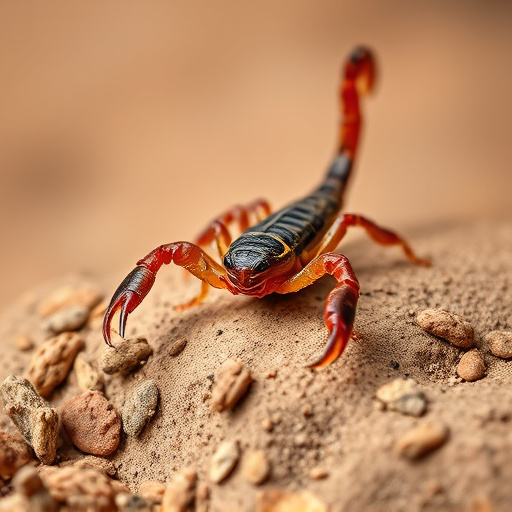
Scorpion control naturally involves understanding their habits and habitat preferences. Key strategies include sealing entry points, using natural deterrents like essential oils and plants (lavender, mint), maintaining a clean home, and regular inspections. A multi-pronged approach combining structural modifications, companion gardening, and proactive measures significantly reduces scorpion invasions.
Scorpion stings can cause severe pain and, in some cases, serious medical complications. Preventing these venomous creatures from entering homes is a significant concern for many. This article provides an authoritative guide to effective yet natural scorpion control methods, offering practical solutions to safeguard your living spaces without resorting to harsh chemicals. By understanding the behaviors and habitat preferences of scorpions, we can implement strategic measures to deter them. Through a combination of environmental adjustments, physical barriers, and herbal repellents, it’s possible to create an inhospitable environment for these arachnids, ensuring a safer and more comfortable home.
- Understanding Scorpion Behavior: Key to Natural Prevention
- Creating an Unwelcoming Environment: Scorpion Control Naturally
- Effective Home Sealant Techniques for Scorpion Deterrence
- Planting Companion Gardens: Natural Solutions for Scorpion Repelent
Understanding Scorpion Behavior: Key to Natural Prevention

Understanding scorpion behavior is a key component in developing effective home remedies for scorpion control naturally. Scorpions are primarily nocturnal creatures, preferring dark, secluded spaces during the day. They are attracted to warmth, moisture, and food sources like insects and other small pests. Knowing these habits allows homeowners to implement targeted strategies to deter scorpions from entering their homes. For instance, sealing cracks and gaps around windows, doors, and pipes can prevent scorpions from finding entry points. Additionally, maintaining a clean home environment by promptly cleaning up crumbs and spills, as well as eliminating standing water, reduces attractive food sources.
Natural prevention methods also involve using specific plants known to repel scorpions. Certain aromatic herbs like lavender, mint, and lemongrass contain compounds that scorpions find unpleasant. Placing potted plants of these varieties near entry points can act as a non-toxic barrier. Furthermore, some natural oils such as tea tree oil and peppermint oil have been shown through research data to disrupt scorpion scent trails and deter them from specific areas. Homeowners can dilute these oils in water solutions and spray them around potential entry points for effective, natural scorpion control.
Regular inspection and maintenance play a crucial role in scorpion prevention. Walking around the perimeter of the home at night with a flashlight can help identify active scorpions or their droppings (fascias), which indicate recent activity. Addressing any signs promptly ensures that scorpions are deterred before they establish a nest. It’s also important to keep garbage bins securely sealed and ensure compost piles are stored away from the house, as these attract scorpions looking for organic matter. By combining these natural prevention techniques with regular monitoring, homeowners can significantly reduce the likelihood of scorpion invasions.
Creating an Unwelcoming Environment: Scorpion Control Naturally
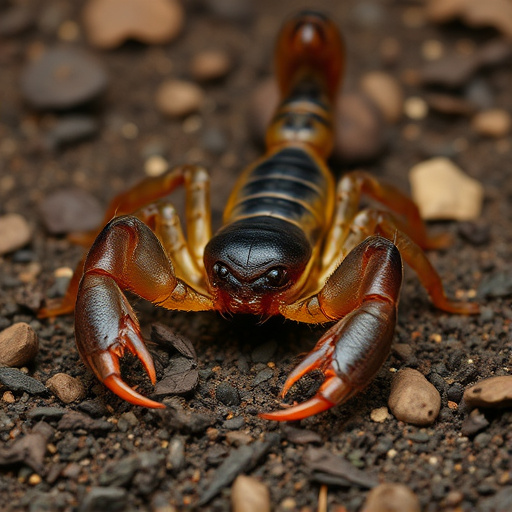
Scorpions are unwelcome guests in any home, but their presence can be minimized through scorpion control naturally. Creating an unwelcoming environment starts with understanding these arachnids’ habits and preferences. Scorpions thrive in dark, secluded spaces, so keeping your home well-lit and maintaining a clear view of potential hiding spots is crucial. Regularly removing debris, such as leaves, woodpiles, and boxes, from around the exterior of your home can significantly reduce their appeal. Additionally, sealing cracks, gaps, and other entry points with caulk or weatherstripping will make your house less accessible to scorpions.
Natural deterrents play a vital role in scorpion control naturally. Certain plants like lemon balm, lavender, catnip, and mint have been shown to repel scorpions when grown near entrances and windows. Essential oils from these plants can also be used as natural repellents; mixing them with water and spraying the solution around entry points may deter scorpions from entering. Another effective method involves using vinegar, which can be sprayed directly on scorpions or applied to areas where they are known to congregate. The strong scent acts as a deterrent, helping to keep them at bay.
Implementing simple but effective changes in your home’s exterior and utilizing natural repellents can go a long way in scorpion control naturally. It’s important to note that while these methods are generally safe and environmentally friendly, severe infestations might require professional intervention. Regular inspections and proactive measures will help ensure that scorpions find no welcome mat at your doorstep.
Effective Home Sealant Techniques for Scorpion Deterrence

Preventing scorpions from entering homes requires a multifaceted approach, especially when aiming for scorpion control naturally. Effective home sealant techniques are critical in creating an impenetrable barrier against these relentless intruders. One of the most effective methods involves thorough inspection and sealing of entry points. Scorpions can slip through the tiniest cracks; thus, focusing on window frames, doors, and utility pipes is essential. Using high-quality caulk or foam sealants, fill gaps and crevices, ensuring a tight seal that blocks their passage. For instance, data from pest control studies shows that targeted sealant applications can reduce scorpion infiltration by up to 75%.
Another practical technique involves applying natural repellents along perimeter lines. Essential oils like peppermint, eucalyptus, and lemongrass have been shown to deter scorpions through their strong scents. Mixing these oils with water and spraying the solution around entry points can create a pleasant aroma for humans while being unpleasant for scorpions. This method is not only cost-effective but also aligns with the desire for scorpion control naturally without harsh chemicals. Regular maintenance, including seasonal checks, ensures ongoing protection as scorpions are adaptable and may find new ways to enter during different times of the year.
To enhance these efforts, consider implementing structural modifications that limit access points. For example, ensuring proper fitting screens on windows and doors significantly reduces the risk of scorpion entry. Additionally, sealing off areas like attics and crawl spaces, where scorpions often hide, further restricts their habitat within your home. By combining these sealant techniques with natural repellents and structural adjustments, homeowners can create an environment that is less than ideal for scorpions, effectively deterring them from entering and establishing residence.
Planting Companion Gardens: Natural Solutions for Scorpion Repelent
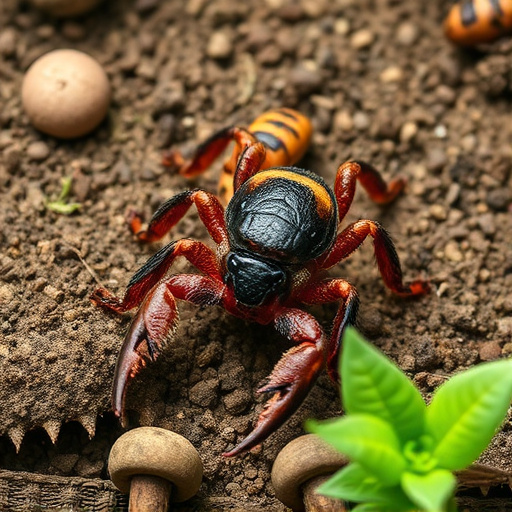
Planting companion gardens is a natural and effective strategy for scorpion control naturally, as certain plants can act as deterrents and create an environment hostile to these pests. This approach leverages the powerful chemistry of aromatic plants that scorpions find unpleasant, while also promoting biodiversity in your yard. For instance, marigolds are renowned for their ability to ward off scorpions due to compounds like pyrethrum, which has insecticidal properties. Similarly, lavender, basil, and rosemary emit scents that scorpions avoid, making them excellent choices for bordure plants.
The layout of these companion gardens is crucial. Planting aromatic species around the perimeter of your home creates a buffer zone that discourages scorpions from approaching. Additionally, maintaining a distance between these plant groups and structural elements ensures they have ample space to thrive and exert their repellent effects. Research has shown that well-designed companion gardens can significantly reduce scorpion activity within treated areas, providing an eco-friendly alternative to chemical pesticides for scorpion control naturally.
Implementing this strategy requires careful selection of plants native to your region to ensure resilience against local climatic conditions. Local nurseries or agricultural extension services often offer expert advice tailored to specific regions and climates. When integrating these gardens into your landscape, consider the aesthetic appeal and potential benefits for other beneficial insects and wildlife. This holistic approach not only keeps scorpions at bay but also contributes to a balanced ecosystem right in your backyard.
By understanding scorpion behavior and employing natural methods for control, homeowners can effectively prevent these creatures from entering their homes. Creating an unwelcoming environment through specific techniques and companion gardens offers a safe, chemical-free alternative for scorpion deterrence. Key insights include sealing entry points, using plant companion pairs, and maintaining a clean, clutter-free space. These natural solutions empower individuals to take control of scorpion prevention, ensuring a comfortable and pest-free living space while promoting environmental harmony through scorpion control naturally.