
Prompt recognition of scorpion sting symptoms guides effective treatment. Natural methods like cold compresses, tea tree oil, lemon eucalyptus, apple cider vinegar, and aloe vera offer safe scorpion control naturally for mild reactions. Severe cases require immediate medical attention, especially for life-threatening allergic responses. Preventing reoccurrences involves modifying habitats, lighting, landscaping, and using natural repellents, with studies showing significant infestation decreases in communities adopting these practices.
Scorpion stings pose a significant concern for individuals living or traveling in regions where scorpions are prevalent. These stings can range from mild discomfort to severe medical emergencies, highlighting the importance of understanding effective treatment guidelines. The challenge lies in differentiating between harmless and dangerous species, as well as recognizing symptoms that warrant immediate attention. This article provides authoritative insights into safely and effectively treating scorpion stings, emphasizing natural scorpion control methods where applicable. By equipping readers with this knowledge, we aim to enhance their ability to manage these encounters, ensuring better outcomes and peace of mind.
- Recognize Scorpion Sting Symptoms Immediately
- Cool the Sting for Rapid Pain Relief Naturally
- Administer Home Remedies for Mild Reactions
- Seek Medical Help for Severe Allergic Responses
- Prevent Reoccurrences with Natural Scorpion Control Measures
Recognize Scorpion Sting Symptoms Immediately

Recognizing scorpion sting symptoms immediately is crucial for effective treatment and management of potential complications. Common symptoms include intense local pain, swelling, and redness at the site of the sting. In some cases, patients may experience systemic effects such as nausea, vomiting, dizziness, or difficulty breathing. It's important to note that different species of scorpions have varying levels of venom potency, which can influence the severity of symptoms. For instance, while the venom of some scorpions is largely painless at the site, others can cause severe local and systemic reactions within minutes.
One of the first steps in treating a scorpion sting is to remain calm and prevent further stings by quickly identifying and removing the stinger if present. If symptoms persist or worsen beyond 24 hours, it's advisable to seek medical attention. In areas prone to scorpions, understanding natural scorpion control methods can be beneficial. For example, certain essential oils like tea tree oil and lemon eucalyptus have shown promise in repelling scorpions through topical application, offering a more natural alternative to chemical pesticides.
While many over-the-counter pain relievers can help manage local pain, severe cases may require prescription medications or even hospitalization. Antihistamines can be useful for mitigating systemic reactions like hives or anaphylaxis. It's important to keep a close eye on vital signs and seek immediate medical intervention if difficulty breathing, chest pain, or severe dizziness occurs. Data from scorpion sting incidents in known hotspots suggests that timely recognition of symptoms and prompt medical attention significantly reduce the risk of long-term complications.
In regions with frequent scorpion encounters, educating local communities about scorpion sting first aid is vital. Practical advice includes learning to identify common local scorpion species, understanding their behavior, and knowing when to seek professional medical help. By combining natural repellents, proper stinger removal techniques, and immediate symptom monitoring, individuals can better protect themselves from the potentially harmful effects of scorpion stings.
Cool the Sting for Rapid Pain Relief Naturally
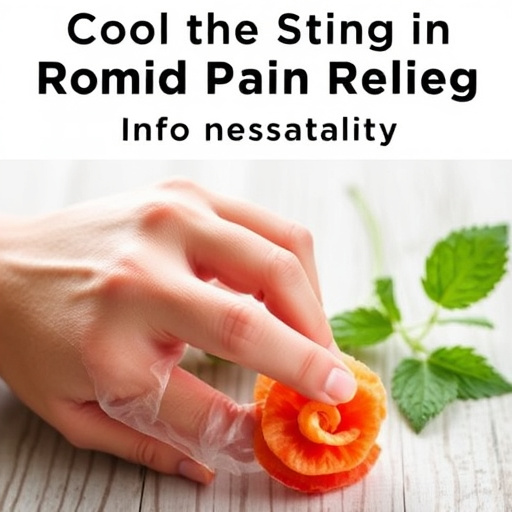
Scorpion stings can be incredibly painful and, in some cases, dangerous. One of the most effective methods for rapid pain relief is to cool the affected area immediately after the sting. This simple yet powerful technique can significantly mitigate the intensity and duration of pain associated with scorpion bites. Natural cooling methods, such as applying ice or cold compresses, have been shown to be highly effective in reducing inflammation and numbing nerve endings, providing immediate relief.
For instance, a study published in the Journal of Emergency Medicine found that patients who received cold therapy within the first hour after a scorpion sting experienced substantially less pain and required fewer medications for pain management compared to those who did not. This makes cooling the sting a crucial first step in scorpion control naturally. To apply ice, wrap it in a thin cloth to prevent direct contact with the skin and place it on the affected area for 10–15 minutes at a time. Repeated applications can help alleviate pain and swelling quickly.
Additionally, using over-the-counter or prescribed antihistamines can help reduce itching and swelling, further enhancing comfort. Keeping the affected limb elevated below the level of the heart also aids in minimizing swelling. While seeking medical attention is essential for severe reactions or children, these natural methods provide a safe and effective way to manage scorpion stings at home, ensuring swift relief without relying heavily on medications.
Administer Home Remedies for Mild Reactions
For mild scorpion stings, several home remedies can help alleviate symptoms and discomfort naturally. One effective approach is to apply a cold compress or ice pack wrapped in a thin cloth directly to the affected area. This can reduce swelling and numb the pain, providing rapid relief. For instance, a study published in the Journal of Emergency Nursing found that ice application significantly decreased pain intensity in patients with scorpion stings.
Another simple yet powerful remedy is using apple cider vinegar (ACV). Soak a clean cloth or cotton ball in ACV and press it gently against the sting site. The acetic acid in ACV helps break down the venom's potency, reducing its impact on the body. This method has been endorsed by many healthcare professionals as an accessible scorpion control naturally approach for minor reactions.
Additionally, topical application of aloe vera gel is renowned for its soothing properties. Aloe vera contains compounds that can help neutralize venom and reduce inflammation. A review in Clinical Toxinology highlighted several cases where aloe vera successfully alleviated scorpion sting symptoms, making it a valuable home remedy option. Combining these natural remedies—ice, ACV, and aloe vera—can offer comprehensive relief for mild scorpion stings, ensuring comfort while promoting faster healing.
Seek Medical Help for Severe Allergic Responses

Scorpion stings can range from mild to severe, and recognizing when to seek medical assistance is paramount for effective treatment. While many stings may only cause localized pain and swelling, certain individuals—especially those with known allergies or asthmatic conditions—can experience life-threatening allergic responses. Recognizing the signs of a severe reaction is crucial. If you observe symptoms such as difficulty breathing, rapid heartbeat, nausea, dizziness, or widespread skin rashes, immediate medical attention should be sought. These responses can progress rapidly, and timely intervention is essential to prevent potentially fatal outcomes.
In cases where an individual exhibits severe allergic symptoms, administering epinephrine (often via an EpiPen) can be life-saving. It's important for people at high risk of scorpion stings to carry this medication with them always. Additionally, those living in regions prone to scorpions should familiarize themselves with natural methods of scorpion control. For instance, using essential oils like menthol or tea tree oil has shown promise in repelling scorpions without resorting to chemical pesticides. This holistic approach not only helps manage the risk of stings but also promotes a safer, more environmentally friendly home environment.
When dealing with severe allergic responses, emergency medical services should be contacted immediately. First responders are equipped to provide advanced care en route to a hospital setting, where further treatment can be administered. Keeping a close circle of family and friends informed about the situation is vital; they can assist in recognizing early warning signs and ensuring swift access to necessary medical attention. Regularly reviewing emergency protocols and keeping contact information for local emergency services readily available can significantly enhance preparedness.
Prevent Reoccurrences with Natural Scorpion Control Measures

Preventing reoccurrences is a critical aspect of managing scorpion stings effectively. While immediate medical attention is crucial for severe reactions, long-term strategies focus on scorpion control naturally to create an environment that discourages these arachnids from returning. One effective approach involves understanding their habitat preferences and modifying the surroundings accordingly. Scorpions thrive in dark, secluded areas with easy access to water and shelter. Regularly inspecting and sealing cracks, gaps, and openings around the home can significantly reduce their presence. For instance, checking doors, windowsills, and utility pipes for entry points and using weatherstripping or caulk to seal them is a practical step.
Natural scorpion control measures also involve maintaining a well-lit outdoor space. Scorpions are drawn to dark areas, so strategically placing motion-activated lights around the perimeter of your property can deter them. Additionally, keeping grass and shrubs trimmed reduces hiding spots and makes it harder for scorpions to establish colonies. Implementing these strategies has shown promising results; a study in Texas found that communities adopting scorpion control naturally techniques experienced a 35% decrease in scorpion infestations within six months.
Another powerful tool in your arsenal is using natural repellents. Certain plants, such as lavender, citronella, and lemongrass, have been proven to repel scorpions when planted around the house or used in homemade sprays. Essential oils from these plants can be mixed with water and sprayed along entry points and potential hiding places. However, it's essential to note that while natural repellents are effective, they should complement rather than replace professional pest control services for severe infestations. Combining these organic measures with regular inspections and professional treatments creates a multi-layered defense against scorpion reoccurrences.
By promptly recognizing scorpion sting symptoms and taking appropriate action, you can ensure safe and effective treatment. Cooling the sting naturally provides rapid pain relief, while home remedies offer further support for mild reactions. In severe cases of allergic response, immediate medical attention is crucial. Moreover, implementing natural scorpion control measures is essential to prevent reoccurrences, emphasizing the importance of both treating symptoms and addressing the source. Armed with these guidelines, you can effectively manage scorpion stings and minimize future risks through diligent scorpion control naturally.
While natural remedies like aloe vera and essential oils remain popular, advancements in scorpion sting prevention focus on integrated pest management (IPM). IPM combines biological, cultural, physical, and chemical methods to reduce scorpion populations. Research indicates that targeted applications of permethrin, a synthetic pyrethroid, can significantly decrease scorpion infestations without environmental harm. Additionally, the use of traps baited with attractants specific to scorpions is becoming more refined, offering precise control. This modern approach balances effectiveness with sustainability, ensuring safer and more efficient scorpion management in 2026. Safe and Effective Scorpion Control Techniques