
Oro Valley's scorpion species thrive in desert landscapes, adapting to harsh conditions through specific microhabitat requirements. Natural scorpion control involves preserving these habitats while mitigating human-scorpion conflict. Key strategies include ecosystem preservation, regular weeding, sealing cracks, using natural repellents, and strategic landscaping to reduce hiding spots and entry points. Coexistence focuses on managing scorpion presence rather than complete elimination, utilizing non-toxic methods and professional guidance for venomous species.
Scorpions are integral to the desert ecosystem, but their presence in residential areas poses challenges for Oro Valley residents. Understanding these creatures' habitat and survival mechanisms is crucial for effective scorpion control naturally. This article delves into the intricate relationship between scorpions and their desert environments, exploring factors influencing their distribution and behavior. By providing insights into their ecological niche, we aim to empower residents with knowledge for responsible management. Through a combination of scientific understanding and practical strategies, this guide offers solutions that promote harmony between humans and these often-feared arachnids.
- Uncovering Scorpion Habitat in Oro Valley's Desert: A Naturalist's Guide
- Survival Strategies & Scorpion Control Naturally: Coping with Desert Residents
Uncovering Scorpion Habitat in Oro Valley's Desert: A Naturalist's Guide
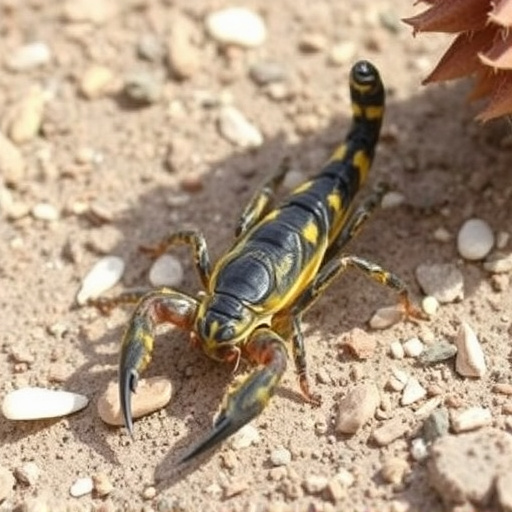
Oro Valley's desert landscapes are home to a diverse range of scorpions, with several species adapting remarkably well to this harsh environment. Uncovering their habitat requires an understanding of their ecological niche and the unique conditions that foster their survival. These arachnid inhabitants thrive in cracks, crevices, and burrows beneath the arid surface, often going unnoticed except during their periodic forays for prey or mates.
The key to scorpion habitat lies in the desert's microclimates. Oro Valley's varied topography, from rocky slopes to sandy washes, creates pockets of temperature and humidity extremes. Scorpions favor these areas, particularly where organic matter collects, providing both food sources and safe hiding places. For instance, dense bushes and cacti can offer shelter from intense sunlight and extreme temperatures during the day, while their burrows, often dug into the softer soil near rocks or vegetation, remain cooler and more comfortable.
Scorpion control naturally in this environment involves preserving these microhabitats while mitigating human-scorpion conflict. Maintaining a balanced ecosystem by minimizing disturbances and avoiding excessive development helps to keep scorpion populations healthy. Property owners can implement strategies such as regular weeding and brush clearing around structures, sealing cracks and gaps in foundations, and using natural repellents like citrus or capsaicin-based products to discourage scorpions from entering homes. By respecting and understanding the natural habitat of these intriguing creatures, we can coexist harmoniously with them in Oro Valley's desert environments.
Survival Strategies & Scorpion Control Naturally: Coping with Desert Residents
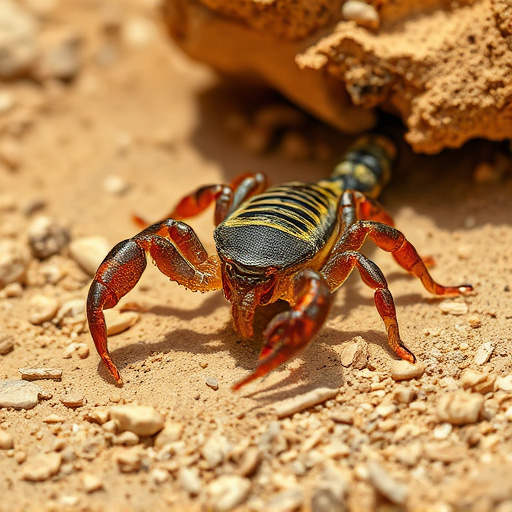
Scorpions, formidable predators native to desert regions like Oro Valley, have evolved remarkable survival strategies to cope with the harsh environmental conditions. In these arid landscapes, water is scarce, temperatures fluctuate drastically, and prey is often sparse. To thrive, scorpions utilize a combination of behavioral adaptations and physiological mechanisms. For instance, they can go without food for extended periods by storing fat in their bodies and reducing metabolic rates during extreme heat or cold.
Scorpion control naturally in desert environments involves understanding and mitigating these survival strategies. One effective approach is to minimize potential hiding spots and shelter areas where scorpions might seek refuge, such as under rocks, wood piles, or debris. Regularly clearing and maintaining outdoor spaces can significantly reduce scorpion populations. Additionally, sealing entry points and gaps around homes, using appropriate lighting (as some scorpions are attracted to light), and implementing strategic landscaping with gravel or rock gardens can deter them from proximity to human habitats.
While eliminating all scorpions is impractical and often unnecessary, effective scorpion control naturally focuses on reducing their presence to manageable levels. Using non-toxic repellents, traps, and natural predators like certain bird species can aid in this process. It's crucial to consult with pest management professionals who are adept at handling these unique challenges, especially when dealing with venomous species. By employing a multi-faceted approach that respects the ecological balance while addressing safety concerns, residents of Oro Valley can coexist harmoniously with these fascinating desert denizens.
Understanding scorpion habitat and their remarkable survival strategies in Oro Valley's desert environments is crucial for effective scorpion control naturally. This article has offered a comprehensive guide, highlighting the intricate relationship between scorpions and their ecosystem. Key insights include recognizing diverse habitats, from rocky outcrops to creosote bush lands, and understanding how scorpions adapt to extreme conditions. By employing natural methods, such as habitat modification and deterrents, residents can manage scorpion populations humanely. Additionally, monitoring and early intervention strategies prove effective in preventing infestations. Armed with this knowledge, readers are now better equipped to navigate and coexist with these desert residents, ensuring a safer and more harmonious environment without resorting to harsh chemicals.