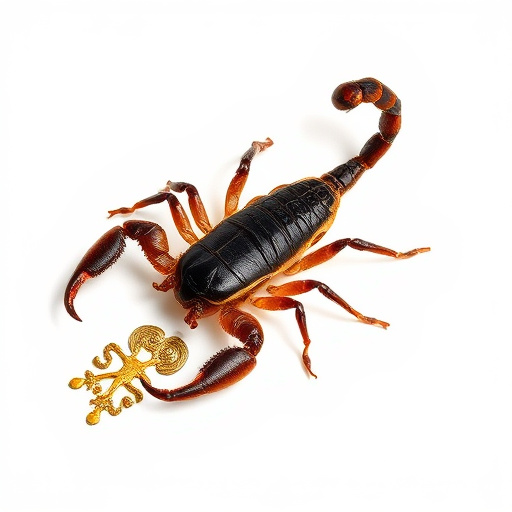
Early detection is crucial for scorpion control naturally. Look for distinct tracks and nests left by scorpions in dark corners and near entry points. Understanding their nocturnal behavior helps identify hiding spots and active infestations. Regular inspections, especially at night, reveal feces or exoskeletons indicating presence. Natural methods like diatomaceous earth are effective when combined with early detection.
Scorpion infestations pose a significant concern for homeowners and businesses alike, particularly in regions where these arachnids thrive. Identifying signs of an infestation early is crucial for effective scorpion control naturally. While professional services are readily available, understanding these indicators empowers individuals to take proactive measures. This article provides an in-depth guide to spotting scorpion activity, focusing on behavior patterns, physical cues, and environmental clues. By mastering these techniques, you'll be better equipped to address infestations swiftly and securely.
- Recognize Physical Signs: Spotting Scorpion Tracks and Nests Naturally
- Understand Behavior Patterns: When and Where to Look for Infestations (Scorpion Control Naturally)
Recognize Physical Signs: Spotting Scorpion Tracks and Nests Naturally
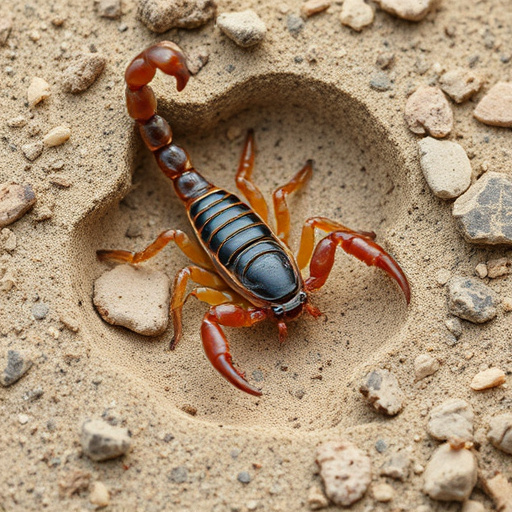
Scorpion infestations can often go unnoticed until the problem becomes severe, making early detection crucial for effective scorpion control naturally. One of the most straightforward methods to identify a potential issue is by recognizing physical signs that indicate their presence. These include distinct tracks and nests, which, if left unchecked, can quickly multiply and spread throughout a property.
Scorpion tracks are typically revealed through their unique method of locomotion. These arachnids leave behind noticeable trails on surfaces they frequently traverse. Look for small, alternating ridges or grooves that resemble a pair of tracks. Such markings often appear on walls, floors, and even furniture. For instance, the common desert scorpion leaves behind a distinct pattern of parallel lines, while some species may create more intricate, zigzagging trails. To facilitate natural scorpion control, regularly inspect areas prone to infestation, such as dark corners or places where outdoor lighting shines brightly, as these attract scorpions.
Nests are another physical indicator of a scorpion infestation. Unlike other pests, scorpions build distinctive shelters that can be easily spotted if you know what to look for. Their nests often take the form of small, shallow depressions or burrows in soil, sand, or crevices. Some species construct intricate web-like structures made from silk and debris. For example, the bark scorpion creates underground burrows with multiple entrances and exits, providing both escape routes and protection. If you notice such nests around your home, especially near entry points like doors or windows, it may signal an active infestation that requires prompt attention through scorpion control naturally methods.
Understand Behavior Patterns: When and Where to Look for Infestations (Scorpion Control Naturally)
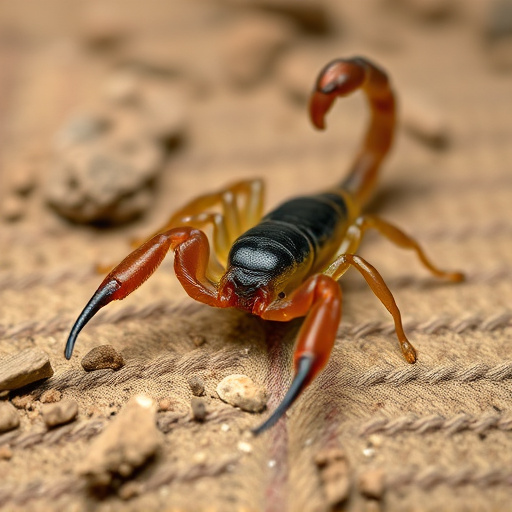
Understanding the behavior patterns of scorpions is crucial for effective scorpion control naturally. These arachnids are primarily nocturnal, preferring to hide during the day in cracks, crevices, and dark corners of structures, only becoming active at night when they hunt for food and mate. Knowing this behavioral cycle can help you identify potential infestation areas. Look for signs of scorpions in late afternoon or early evening, especially around exterior lights, as they are attracted to the artificial light sources.
In terms of where to look, pay close attention to areas that provide shelter and moisture. Scorpions are drawn to places like poorly maintained gardens, dense vegetation, woodpiles, and crawl spaces under homes. They often enter structures through windows, doors, or vents, seeking both food and a place to build their nests. For instance, a sudden increase in scorpion sightings indoors could indicate an infestation, particularly if they appear in multiple rooms, suggesting a growing population that requires scorpion control naturally.
Regular inspections are key to early detection. Check along baseboards, behind furniture, under rugs, and in corners with a flashlight during the night. Look for small piles of feces or exoskeletons, which can indicate active scorpion presence. Additionally, live scorpions may leave distinct scent trails; if you notice an unusual smell, it could be a sign that professional intervention or natural methods like diatomaceous earth are needed. Early detection and understanding these patterns will help in implementing effective scorpion control naturally.
By recognizing physical signs like tracks and nests and understanding behavior patterns, you can effectively spot a scorpion infestation. This article has equipped you with valuable tools for scorpion control naturally, allowing you to proactively address potential issues. Key insights include being vigilant during certain times of year and in specific areas, as well as the importance of identifying unique signs left by scorpions. With this knowledge, you're now better prepared to protect your space and mitigate risks associated with these pests. Take immediate action to inspect areas prone to infestation and consider natural prevention methods for long-term scorpion control.