
Scorpions in Oro Valley's deserts exhibit adaptive behaviors that optimize their survival, primarily being nocturnal to avoid predation and extreme temperatures. Effective scorpion control is essential for coexisting with these creatures, necessitating an understanding of their habits and environmental factors influencing their behavior. As the desert heats up, scorpions seek cooler environments within human dwellings, prompting residents to adopt preventative measures such as sealing entry points, maintaining clean spaces, and employing scorpion-specific control methods. Scorpion control strategies in Oro Valley involve population monitoring, creating alternative habitats, and scheduled management efforts that consider the species' preferences for humidity and vegetation types. The Arizona bark scorpion and Stripe-tailed scorpion are two key species adapted to the region; the former climbs trees to access moist habitats, while the latter resides in terrestrial environments under rocks or soil. A comprehensive approach to scorpion control includes sealing homes, eliminating food and water sources, and using traps or adhesive strips, complemented by professional pest control services for effective treatment and population reduction. Education on living safely with scorpions is paramount, as is conservation of their habitats to maintain ecological balance in Oro Valley's desert ecosystems.
Scorpions, often misunderstood arachnids, thrive in the arid landscapes of Oro Valley's desert environments. This article delves into the adaptations and behaviors that enable these creatures to flourish, emphasizing the critical role of local climate and vegetation in shaping their habitats. From identifying common species to exploring effective scorpion control strategies for residential areas, learn how to coexist with these intriguing inhabitants safely and responsibly. Join us as we unravel the secrets of scorpions' survival in Oro Valley and offer insights into conservation efforts that balance human life with the natural world.
- Understanding Scorpion Behavior in Oro Valley's Desert Ecosystems
- The Role of Climate and Vegetation in Shaping Scorpion Habitats
- Key Species: Identifying Common Scorpions Found in Oro Valley
- Effective Strategies for Scorpion Control in Residential Areas
- Coexisting with Scorpions: Prevention, Safety Measures, and Conservation Efforts in Oro Valley
Understanding Scorpion Behavior in Oro Valley's Desert Ecosystems

Scorpions in Oro Valley's desert environments exhibit behaviors that are both fascinating and practical for their survival. These arachnids are nocturnal, predominantly active during the night when temperatures drop and predators are less likely to hunt them. Their behavior is closely tied to the harsh conditions of the desert, where water is scarce and extreme temperatures can fluctuate dramatically. Scorpions conserve water by shedding their exoskeletons periodically, a process that allows them to regulate moisture levels within their bodies. Additionally, scorpion control measures in Oro Valley are crucial for coexisting with these creatures; understanding their habits is key to implementing effective and humane management strategies. Homeowners often seek out scorpion control solutions during the warmer months when these creatures seek out cooler environments, such as homes and sheltered outdoor spaces. By comprehending the environmental factors that influence scorpion behavior, residents can take proactive steps in sealing entry points and maintaining clean, well-ventilated areas to deter scorpions from taking up residence. Local efforts in scorpion control involve monitoring populations and promoting habitats that provide alternative refuge for scorpions, thus reducing the likelihood of human-scorpion encounters. This approach not only ensures the safety of Oro Valley's residents but also preserves the natural balance within the desert ecosystem.
The Role of Climate and Vegetation in Shaping Scorpion Habitats

Scorpions are highly adapted to arid environments, and their distribution across Oro Valley's desert landscapes is profoundly influenced by climate and vegetation patterns. The region's consistent warmth provides an ideal environment for scorpion activity, which is most vigorous during the night when temperatures are cooler. The type of vegetation present can dictate the types of scorpions that thrive in a given area; dense shrubbery offers ample shelter and moisture, favoring species that prefer more humid microhabitats. Conversely, sparse vegetation tends to host species well-adapted to open areas with less cover. Climate factors such as precipitation and humidity levels also play a crucial role in shaping scorpion populations; these arthropods can tolerate a wide range of conditions but prefer environments with moderate humidity, which is often found in areas with sporadic vegetation.
Effective scorpion control measures within Oro Valley's desert environments must consider the intricate relationship between climate and vegetation. For instance, understanding that scorpions seek shelter during the daytime heat, control efforts can be optimized by targeting these periods when scorpions are active. Additionally, landscape modifications aimed at reducing vegetation density in certain areas may help mitigate scorpion populations, especially those that could pose a risk to human activities or habitations. Climate-adaptive measures, such as creating artificial microhabitats that offer both refuge and control, can also be beneficial in managing scorpion populations effectively.
Key Species: Identifying Common Scorpions Found in Oro Valley

In the arid landscapes of Oro Valley, a diverse community of scorpions thrives, adapting to the challenging desert environment. Among the common species encountered in this region are the Arizona bark scorpion (Centruroides sculpturatus) and the Stripe-tailed scorpion (Vaejovis spp.). The Arizona bark scorpion is particularly notable for its ability to climb vertical surfaces, an adaptation that allows it to seek moisture on tree barks, under bark, and in other arboreal habitats. Its small size and rapid movement make it adept at evading predators, contributing to its prevalence in the area. Scorpion control measures are essential in Oro Valley, as these creatures play a delicate role in the ecosystem while also posing potential risks to humans due to their venomous sting. On the other hand, the Stripe-tailed scorpions are larger and more terrestrial, typically found beneath rocks, logs, or in soil crevices where they hunt for nocturnal insects and other small prey. Both species exhibit behaviors that maximize their survival in these environments, such as active foraging during the cooler parts of the day and conserving water by shedding their exoskeletons to grow. Understanding the key scorpion species in Oro Valley is crucial for effective scorpion control strategies, ensuring both the safety of residents and the balance of the desert ecosystem.
Effective Strategies for Scorpion Control in Residential Areas

Scorpion control in residential areas of Oro Valley's desert environments requires a multifaceted approach that addresses both preventive measures and responsive actions. Sealing entry points is a primary strategy; homeowners should ensure that all cracks and crevices in the foundation, windows, and doors are properly sealed to prevent scorpions from entering dwellings. Employing weather stripping and caulking around these areas can be highly effective in deterring these arachnids. Additionally, maintaining a clean environment by regularly vacuuming and removing clutter, particularly in garages and storage areas, reduces shelter opportunities for scorpions. Keeping yards free of debris and maintaining a well-trimmed landscape helps to minimize their hiding spots outside as well.
Eliminating food sources is equally crucial in controlling scorpion populations. This includes securing pet food and not leaving water sources accessible, as scorpions require moisture to survive. Employing scorpion-specific traps or adhesive strips can aid in the removal of these pests from within homes. It's also advisable to engage professional pest control services (get the details) that specialize in scorpion management for a thorough treatment plan. These experts can apply safe, yet effective, methods and treatments to manage scorpion populations around homes, ensuring a safer living environment for residents. Regular monitoring and adherence to best practices in scorpion control are essential for maintaining an environment free from these creatures.
Coexisting with Scorpions: Prevention, Safety Measures, and Conservation Efforts in Oro Valley
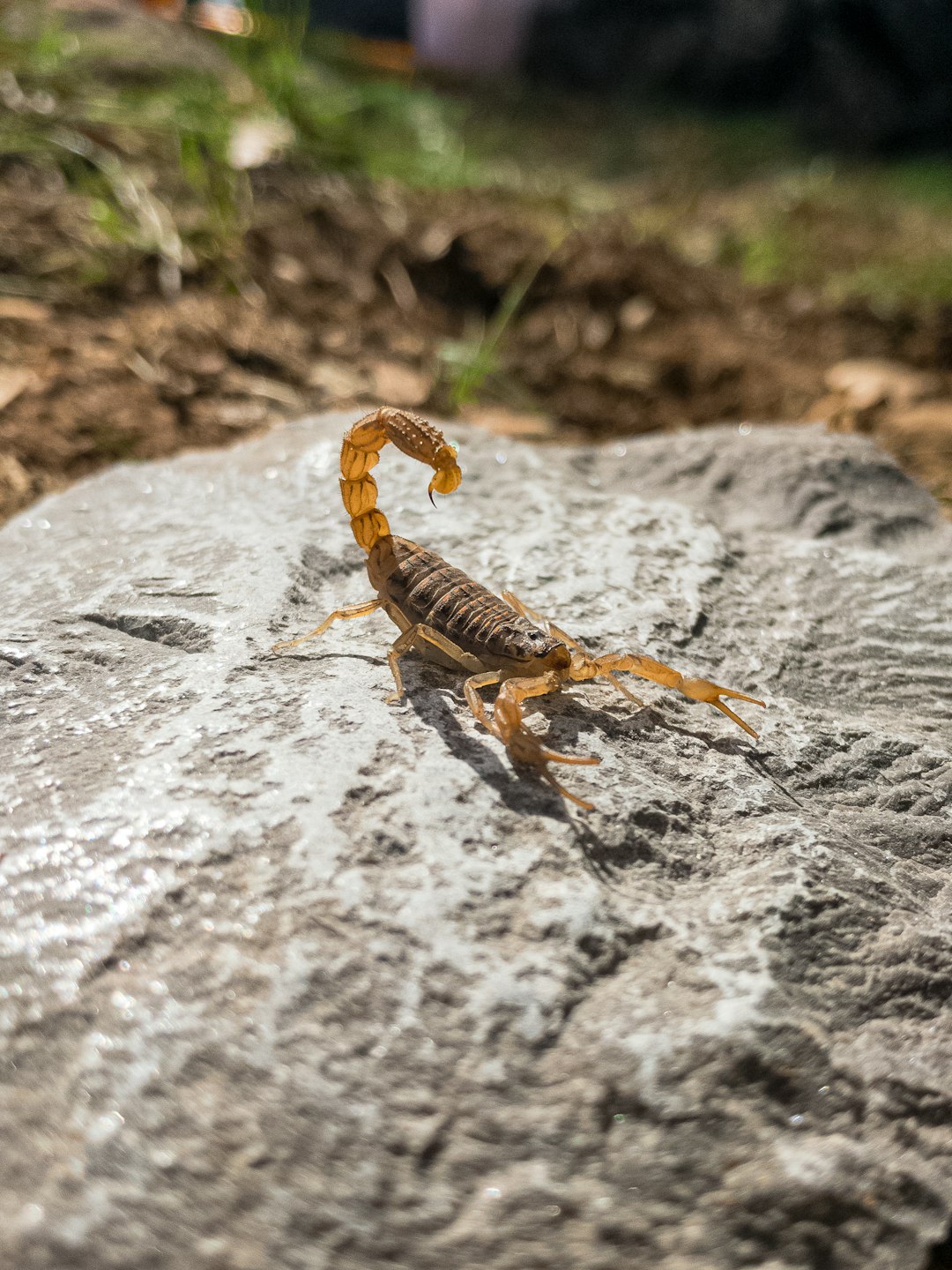
In Oro Valley's arid landscapes, scorpions are a natural and integral part of the desert ecosystem. Residents and visitors alike must coexist with these arachnids, understanding that they play a role in the balance of the environment. To ensure safe cohabitation, it is essential to implement effective scorpion control measures. Prevention strategies include keeping environments clean and free of debris where scorpions might hide, sealing cracks and crevices in dwellings to prevent entry, and maintaining well-lit outdoor areas during evening hours when scorpions are active. Safety measures for individuals involve regular inspection of personal belongings, wearing protective gloves when handling objects outside, and taking care during nighttime activities to avoid accidental encounters. Conservation efforts are also paramount; they aim to protect scorpion habitats and promote the health of the desert ecosystem. These efforts include habitat preservation, responsible land use practices, and educational programs that inform the community about the importance of scorpions in the food web as well as the ways to safely interact with them. By combining prevention, safety measures, and conservation efforts, Oro Valley can maintain a harmonious relationship with its desert-dwelling inhabitants, ensuring both the safety of its residents and the survival of scorpion populations within their natural habitats.
In conclusion, scorpions play a significant role within the arid landscapes of Oro Valley, adapting impressively to the fluctuating conditions of its desert environments. Factors such as climate and local vegetation significantly influence their habitat selection, with common species like the Bark Scorpion being particularly prevalent. Homeowners can implement effective scorpion control measures to mitigate risks, ensuring both safety and coexistence with these fascinating creatures. Through proactive prevention strategies and conservation efforts, Oro Valley residents can maintain a harmonious balance between their well-being and the preservation of the local ecology. Understanding and respecting the behavior and needs of scorpions is key to successfully sharing space with them in this unique desert environment.