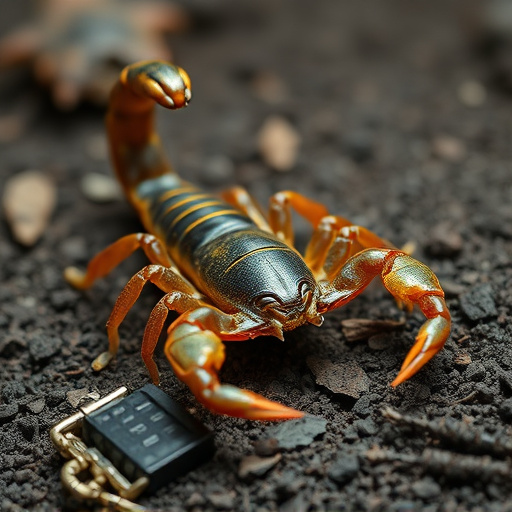
Understanding Scorpion Control in Oro Valley
Scorpion control in Oro Valley is a specialized field of pest management focused on the prevention, reduction, and elimination of scorpion populations. This practice is crucial for maintaining the safety and well-being of residents, as some species of scorpions can inflict painful and potentially hazardous stings. The core components of scorpion control in Oro Valley include habitat modification, biological control methods, chemical treatments, and public education on prevention and first aid. Historically, scorpion control efforts have evolved from rudimentary approaches to sophisticated, environmentally sensitive strategies that protect both the community and local ecosystems.
Global Impact and Trends
The relevance of scorpion control extends beyond Oro Valley, affecting communities worldwide. Global trends in urbanization, climate change, and increased travel have expanded the range of scorpions and elevated the need for effective control measures. In arid regions, such as those in Africa, Asia, and the Middle East, scorpion stings represent a significant public health issue. Conversely, in more temperate climates like Oro Valley, Arizona, control measures are proactive, aiming to prevent widespread infestations before they become a public health concern.
Economic Considerations
The economic implications of scorpion control are multifaceted. It involves costs associated with research and development, pesticide production, labor for application, and public education campaigns. From an economic standpoint, the investment in scorpion control can have a positive impact by reducing healthcare costs related to treatment for scorpion stings and minimizing property damage caused by scorpions. Moreover, the tourism industry benefits from a community’s reputation as a safe and comfortable place to live and visit.
Technological Advancements
Advancements in technology have significantly impacted scorpion control strategies. Innovations such as non-toxic baits, traps, and environmentally friendly pesticides are now employed to manage populations without harming non-target species or the environment. Additionally, remote monitoring systems using cameras and motion sensors can detect scorpions, allowing for targeted interventions. Future potential includes the development of genetically modified predators, advanced data analytics for predictive modeling, and automated drones for surveillance and treatment application.
Policy and Regulation
Policies and regulations governing scorpion control in Oro Valley are designed to ensure public safety while preserving the environment. These include guidelines on pesticide use, habitat conservation measures, and integrated pest management (IPM) practices. At a broader level, international agreements and frameworks address the transboundary movement of organisms that may be harmful, including scorpions. Compliance with these regulations is essential for the effective and responsible management of scorpion populations.
Challenges and Criticisms
One of the primary challenges in scorpion control is the balance between effectively managing scorpion populations and minimizing environmental impact. Additionally, resistance to chemical treatments and the ecological role of scorpions must be considered. Public perception and fear of scorpions can lead to overreaction or misinformed practices. Solutions to these challenges include promoting awareness, investing in research for non-lethal control methods, and implementing adaptive management strategies that evolve with new information and changing conditions.
Case Studies
Successful case studies from Oro Valley and other regions demonstrate the effectiveness of integrated approaches to scorpion control. One such example is a community-based initiative that combined habitat modification with public education on preventing scorpion entry into homes. Another case involves the use of biopesticides derived from local plants, which proved to be effective without posing risks to beneficial organisms or humans. These studies provide valuable insights into successful control strategies and highlight the importance of a multi-faceted approach.
Future Prospects
The future of scorpion control in Oro Valley is one of innovation and adaptation. With ongoing research, the integration of cutting-edge technologies, and community involvement, the field is poised to develop more effective, sustainable, and humane control methods. Emerging trends suggest a shift towards holistic management practices that consider the ecological role of scorpions while protecting public health. Strategic considerations include expanding educational programs, investing in genetic research for understanding scorpion behaviors, and exploring novel biological controls.
Conclusion
Scorpion control in Oro Valley is a dynamic and essential field that ensures the safety and well-being of residents while respecting the local environment. Through a combination of technological advancements, policy guidance, economic considerations, and community engagement, this practice continues to evolve, addressing new challenges and adapting to changing circumstances. The importance of scorpion control in its broader context cannot be overstated, as it serves as a model for managing other invasive species worldwide.
FAQ Section
-
What are the most common types of scorpions found in Oro Valley?
- Oro Valley is home to several species of scorpions, with the Arizona bark scorpion (Centruroides sculpturatus) being the most common and venomous species.
-
How effective are non-lethal control methods?
- Non-lethal methods such as habitat modification, traps, and baits can be highly effective in reducing scorpion populations and are less harmful to the environment.
-
Can scorpions enter my home?
- Yes, scorpions can enter homes through cracks and crevices. It’s important to seal potential entry points and maintain a clean, well-sealed living space.
-
What are the health risks associated with scorpion stings?
- Scorpion stings can cause pain, swelling, and in some cases, serious reactions in individuals who are allergic. Prompt medical attention is crucial if a person is stung.
-
Are there any natural predators of scorpions that can be used for control?
- Yes, certain species of birds and reptiles naturally prey on scorpions. Biological control methods explore the use of these predators to manage scorpion populations.
By addressing these frequently asked questions, communities like Oro Valley can better prepare for and manage the presence of scorpions, ensuring a safe and harmonious coexistence with these arachnids.
Effective scorpion control involves understanding their nocturnal behavior and preferred habitats, such as cracks and crevices. Property owners can minimize these by sealing entry points and reducing debris. Safe removal methods include professional services using targeted traps and insecticides, avoiding harsh practices like burning or crushing. Post-removal prevention includes sealing entry points, regular cleaning, and clutter reduction to deter reinfestation.
Scorpon stings can be painful and, in some cases, dangerous. Learning safe and effective techniques for scorpion removal is crucial for both homeowners and professionals. This article guides you through understanding scorpion behavior and habitat, offers proven removal methods, and provides strategies to prevent reinfestation. Discover expert tips on scorpion control to ensure a safe and sting-free environment.
Understanding Scorpion Behavior and Habitat

Scorpions are arachnids with a unique set of behaviors and habitats that understanding is crucial for effective scorpion control. These creatures are primarily nocturnal, seeking shelter during the day in cracks, crevices, under rocks, or inside hollows of trees. At night, they emerge to hunt for food, often traveling along walls or close to the ground. Knowing this behavior allows property owners to identify potential hiding spots and implement preventive measures.
Scorpion control involves a strategic approach that considers their habitat preferences. Sealing entry points, such as gaps in foundations, cracks in walls, or openings around pipes, can prevent scorpions from entering homes or buildings. Regularly removing debris, foliage, and piles of wood or stones near structures also reduces available hiding places. Using pest control products specifically designed for scorpion control and applying them according to the manufacturer’s instructions further aids in managing and eliminating scorpion populations effectively.
Safe and Effective Removal Techniques

When it comes to scorpion removal, safety is paramount. The first step in any scorpion control effort should be prevention. This includes regularly inspecting your home and yard for potential hiding spots, sealing entry points, and maintaining a clean environment, especially in areas prone to debris accumulation. By reducing their habitat, you significantly decrease the likelihood of an encounter.
If a scorpion does make its way into your space, it’s crucial to act swiftly but calmly. Avoid using aggressive methods like burning or crushing the scorpion, as this can release a potent venom and create an unsafe situation for you and others. Instead, opt for professional Scorpion control services that employ safe and effective techniques, such as targeted traps and insecticidal solutions applied by trained specialists. These methods ensure minimal risk to humans, pets, and the environment while effectively removing scorpions from your living spaces.
Preventing Reinfestation Post-Removal

After successfully removing scorpions, preventing reinfestation is crucial for maintaining a scorpion-free environment. The first step involves identifying and sealing any potential entry points. Scorpions can slip through tiny cracks, so checking around windows, doors, and utility pipes for gaps is essential. Sealing these areas with caulk or appropriate materials will deter scorpions from returning. Regularly sweeping and vacuuming your home, especially in corners and beneath furniture, helps remove scorpion droppings and scent marks that might attract more scorpions.
Additionally, maintaining a clean and clutter-free environment reduces hiding spots for scorpions. Store items like boxes and bags outside the house or in sealed containers to minimize potential shelter areas. Professional scorpion control services can also provide valuable advice tailored to your region and specific needs, ensuring long-term protection from these pesky creatures.
When it comes to scorpion removal, understanding their behavior and habitat is key for effective scorpion control. By employing safe and proven techniques discussed in this article, you can ensure these unwanted visitors no longer inhabit your space. Additionally, taking preventive measures post-removal will significantly reduce the likelihood of reinfestation. Remember, professional assistance should be sought for severe or persistent scorpion infestations to maintain a safe and scorpion-free environment.