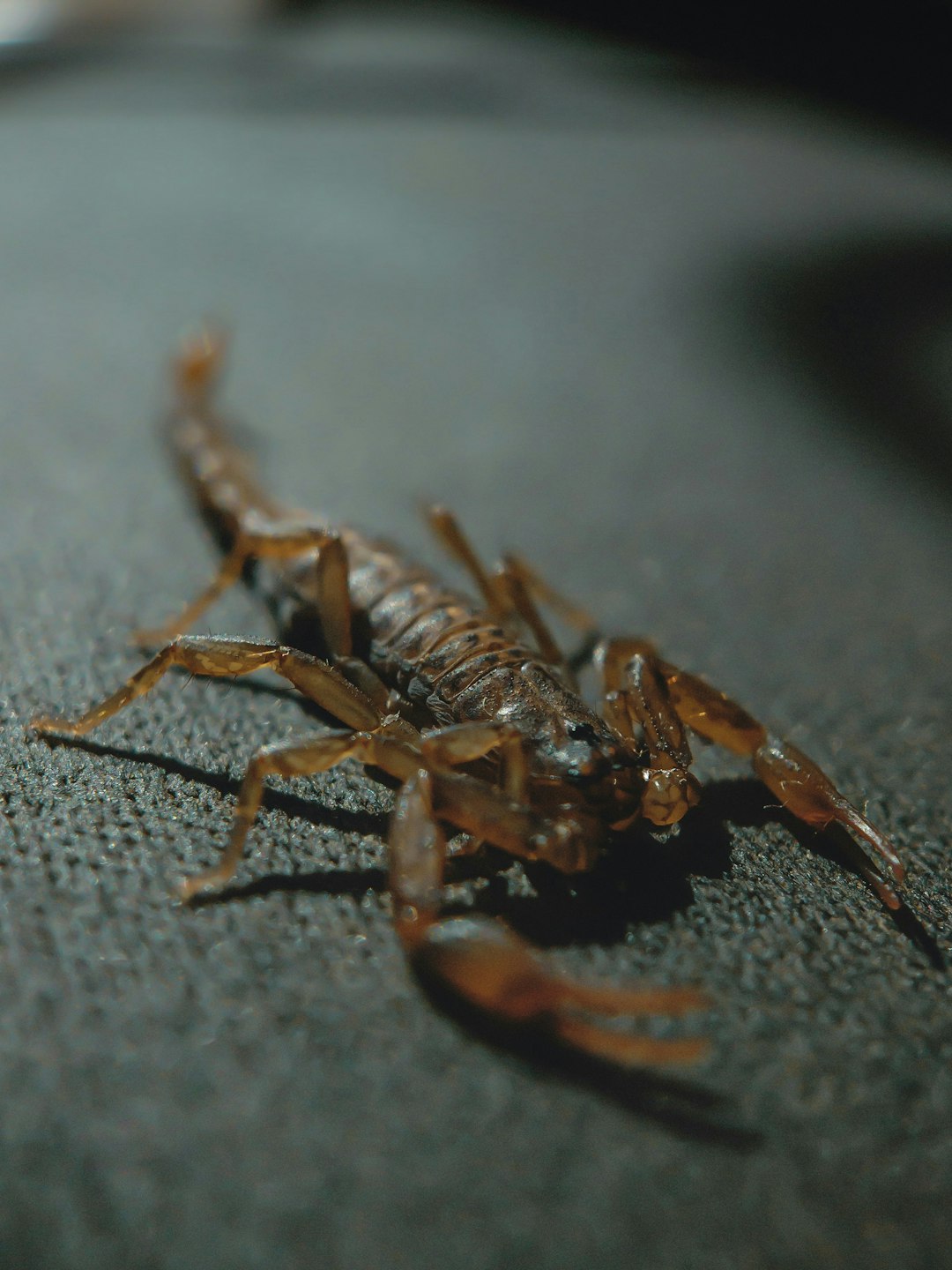
Scorpions are nocturnal creatures that thrive in moist, sheltered environments indoors, often found behind furniture or beneath rocks. To manage scorpion populations effectively, it's important to maintain a clean, well-lit environment, reduce humidity levels, and eliminate food sources. Preventing entry is key; this involves regularly inspecting and sealing potential gaps with materials like weatherstripping, caulk, or expandable foam, especially around doors, windows, and utility entrances. Fine mesh screens on vents, windows, and chimneys should be inspected for tears. Natural repellents such as essential oils, diatomaceous earth, citrus peels, and cayenne pepper can further deter scorpions. Employing traps and insecticides designed for arachnids, combined with these preventative measures, aids in controlling scorpion presence. For comprehensive scorpion control, professional pest management services are recommended to ensure both safety and efficacy. Monitoring devices can help track scorpion activity, while an eco-friendly integrated approach using natural repellents enhances the safety of your home and reduces the risk of infestations. This proactive strategy emphasizes exclusion and natural methods as the cornerstone of scorpion control.
When scorpions invade your living space, safety and efficiency in their removal become paramount. This article outlines seven prudent methods for effectively managing and eradicating these arachnids indoors, ensuring both your comfort and security. We'll explore understanding scorpion behavior, employing exclusion tactics, integrating monitoring devices and natural repellents, applying safe chemical treatments, and more. From professional services to regular inspections and cleanliness routines, each approach contributes to robust scorpion control within your home environment.
- Understanding Scorpion Behavior and Habitats for Effective Control
- Implementing Exclusion Techniques to Prevent Scorpions from Entering Your Home
- Strategic Use of Monitoring Devices and Natural Repellents for Scorpion Control
Understanding Scorpion Behavior and Habitats for Effective Control
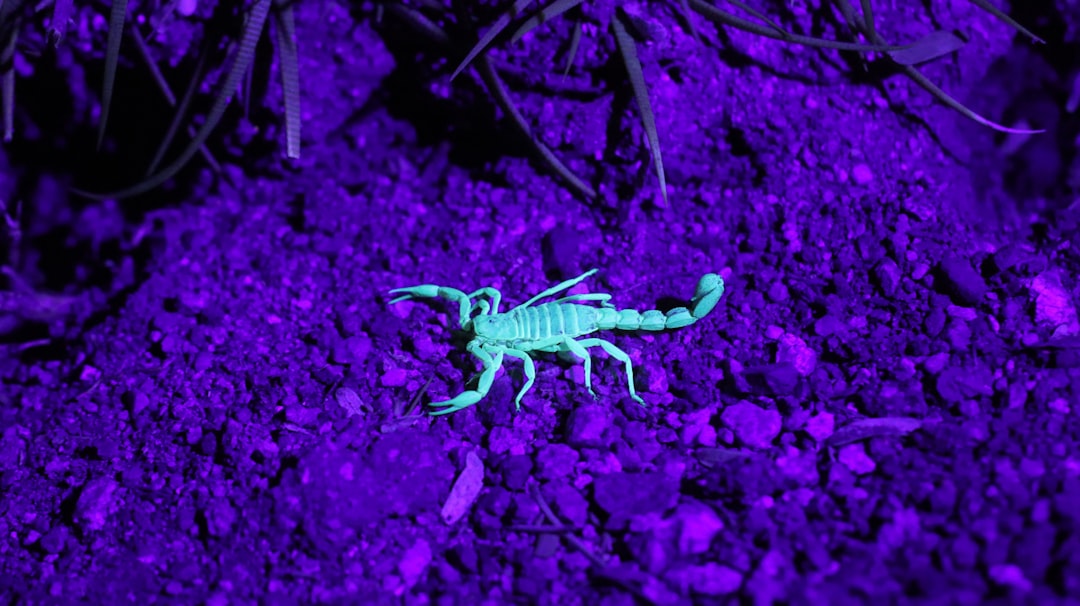
Scorpions are nocturnal arachnids known for their venomous tail stingers, which they use primarily for defense rather than hunting. To effectively manage and control scorpion populations indoors, it's crucial to understand their behavior and preferred habitats. These creatures seek environments that offer both moisture and shelter, often found behind furniture, beneath rocks or bark, and in warm, undisturbed areas such as closets or under beds. Scorpions are also adept at squeezing into small spaces, making them a common household pest. Their behavior patterns typically involve seeking out dark, humid environments during the day to avoid predators and humans, and becoming active at night to forage for food, which includes insects, spiders, and other small invertebrates.
Understanding scorpion behavior is instrumental in developing an effective control strategy. Scorpion control measures should be tailored to disrupt their daily routines. This can be achieved by maintaining a clean, well-lit environment that reduces hiding places. Regularly inspecting and sealing potential entry points, such as cracks and crevices, can prevent scorpions from entering your home. Additionally, managing the humidity levels and removing food sources can make your indoor spaces less hospitable to these pests. Employing scorpion traps or insecticides designed for arachnids, in conjunction with sealing entry points, can further aid in controlling their presence. It's also advisable to consult with a professional pest control service that specializes in scorpion control to ensure the most effective and safe approach to managing these creatures indoors.
Implementing Exclusion Techniques to Prevent Scorpions from Entering Your Home
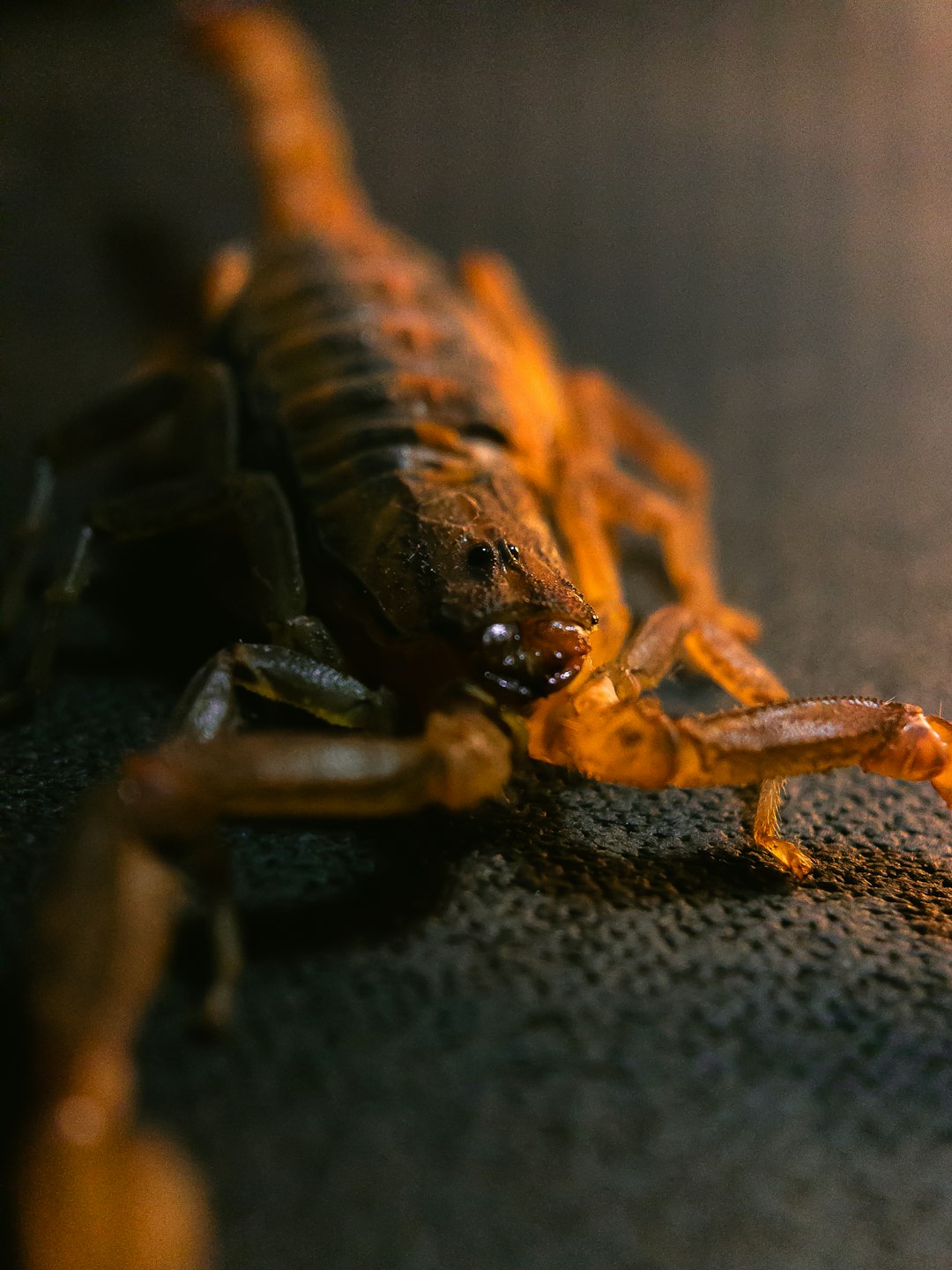
Implementing exclusion techniques is a proactive approach within scorpion control strategies, aiming to prevent these arachnids from entering your home in the first place. Sealing potential entry points is paramount; this includes gaps beneath doors, cracks in foundation walls, and crevices where pipes and wires enter the structure. Utilize weatherstripping or door sweeps for doors, caulk for smaller openings, and expandable foam sealers for larger gaps. It's essential to inspect windows, vents, and chimneys as well; these areas often provide easy access points for scorpions seeking shelter. Employ fine mesh screens on vents, windows, and chimney caps to create a barrier against scorpion intrusion. Regularly check these barriers to ensure they remain intact, as scorpions can exploit even the smallest tears or holes. Additionally, maintaining a well-lit environment around your home's perimeter after dark deters scorpions, as they are nocturnal and prefer darkness. Landscaping considerations, such as keeping vegetation trimmed and woodpiles at least 20 feet away from the dwelling, reduce hiding spots for scorpions. By combining these exclusion techniques with a diligent inspection and maintenance routine, you can significantly enhance your home's defenses against scorpion infestations, making scorpion control more about prevention than reaction.
Strategic Use of Monitoring Devices and Natural Repellents for Scorpion Control

When managing a scorpion infestation within your living spaces, employing strategic use of monitoring devices and natural repellents is crucial for effective scorpion control. Monitoring devices, such as traps and detectors, can be instrumental in identifying scorpion activity and tracking their presence over time. These tools not only confirm the presence of scorpions but also help in gauging the extent of an infestation without causing harm to the pests. By placing these devices along walls, beneath furniture, and in other common hiding spots, you can monitor scorpion movement patterns and determine hotspots within your home.
In conjunction with monitoring, utilizing natural repellents is a safe and environmentally friendly approach for scorpion control. These repellents often include essential oils like peppermint, tea tree, and eucalyptus oil, which can be applied to areas where scorpions are likely to frequent. Additionally, diatomaceous earth—a natural mineral—can act as a deterrent by dehydrating and causing physical harm to the arachnids when they cross treated surfaces. Citrus peels and cayenne pepper can also serve as effective repellents due to their strong odors that scorpions find unappealing. By integrating these natural solutions into your scorpion control strategy, you can create a less hospitable environment for these pests, reducing the likelihood of a scorpion encounter in your home and contributing to a safer living space.
Effective scorpion control begins with a comprehensive understanding of their behavior and preferred habitats, which in turn informs the best strategies for both exclusion and ongoing management. By employing exclusion techniques to seal potential entry points and integrating monitoring devices and natural repellents, homeowners can significantly reduce the risk of scorpion encounters. These measures not only provide immediate relief but also foster a long-term solution for maintaining a scorpion-free environment. Remember, consistent vigilance and proactive methods are key to safeguarding your home against these arachnids. With the right approach, you can ensure your living space remains secure and comfortable for you and your family.
In 2026, the scorpion control landscape has seen a significant shift towards eco-friendly and tech-driven solutions. Integrated Pest Management (IPM) approaches now incorporate advanced monitoring systems, such as smart sensors that detect scorpion activity in real-time. These technologies enable precise targeting of treatments, reducing environmental impact and minimizing the use of chemical insecticides. Additionally, natural repellents like neem oil and plant-based essentials have gained popularity due to their effectiveness and minimal toxicity for pets and humans. Robotic scorpions, designed to mimic both appearance and behavior, are being explored as non-lethal deterrents in select applications. This evolution reflects a growing commitment to sustainable and humane pest management practices. Read more about the latest trends in scorpion control in Oro Valley